
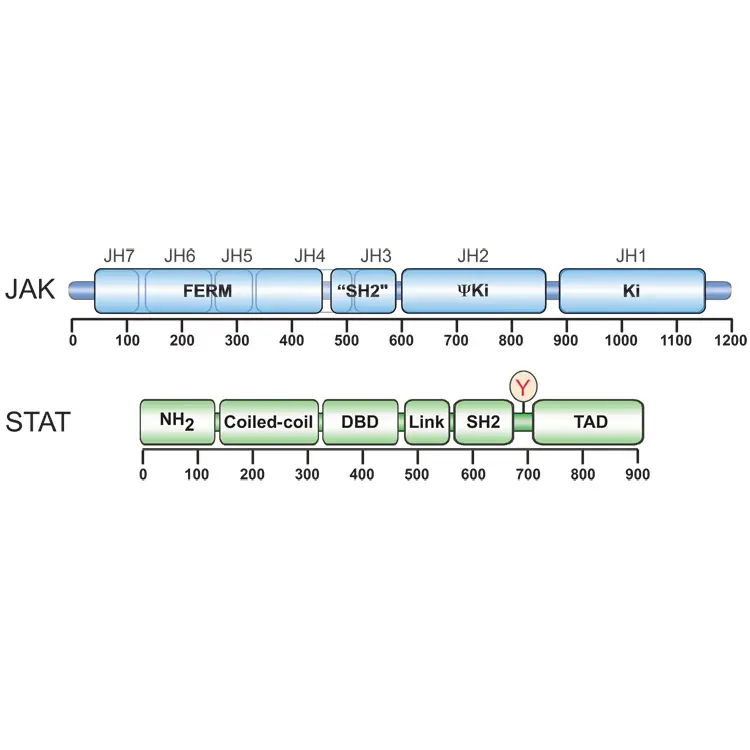
Jak亚型抗体
The four JAK family members, Jak1, Jak2, Jak3 and Tyk2, range in size from 120 to 140 kDa, and except for Jak3 (leukocyte-JAK), are expressed in most tissues (reviewed in).
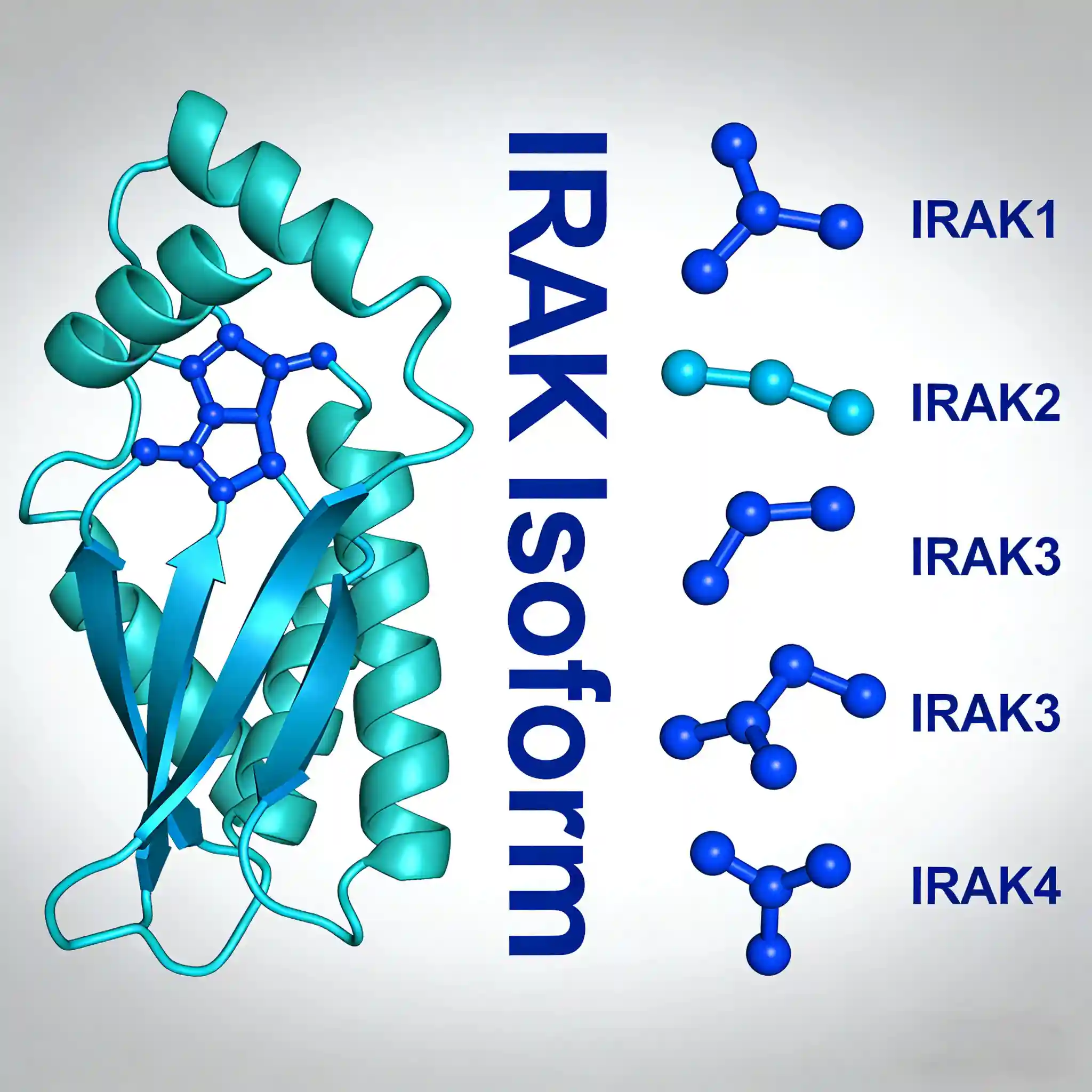
Interleukin-1 (IL-1) receptor-associated kinase (IRAK) is a serine/threonine-specific kinase that can be copreciInterleukin-1 (IL-1) pitated in an IL-1-inducible manner with the IL-1 receptor. The mammalian family of IRAK molecules contains four members (IRAK1, IRAK2, IRAK3/IRAK-M, and IRAK4).
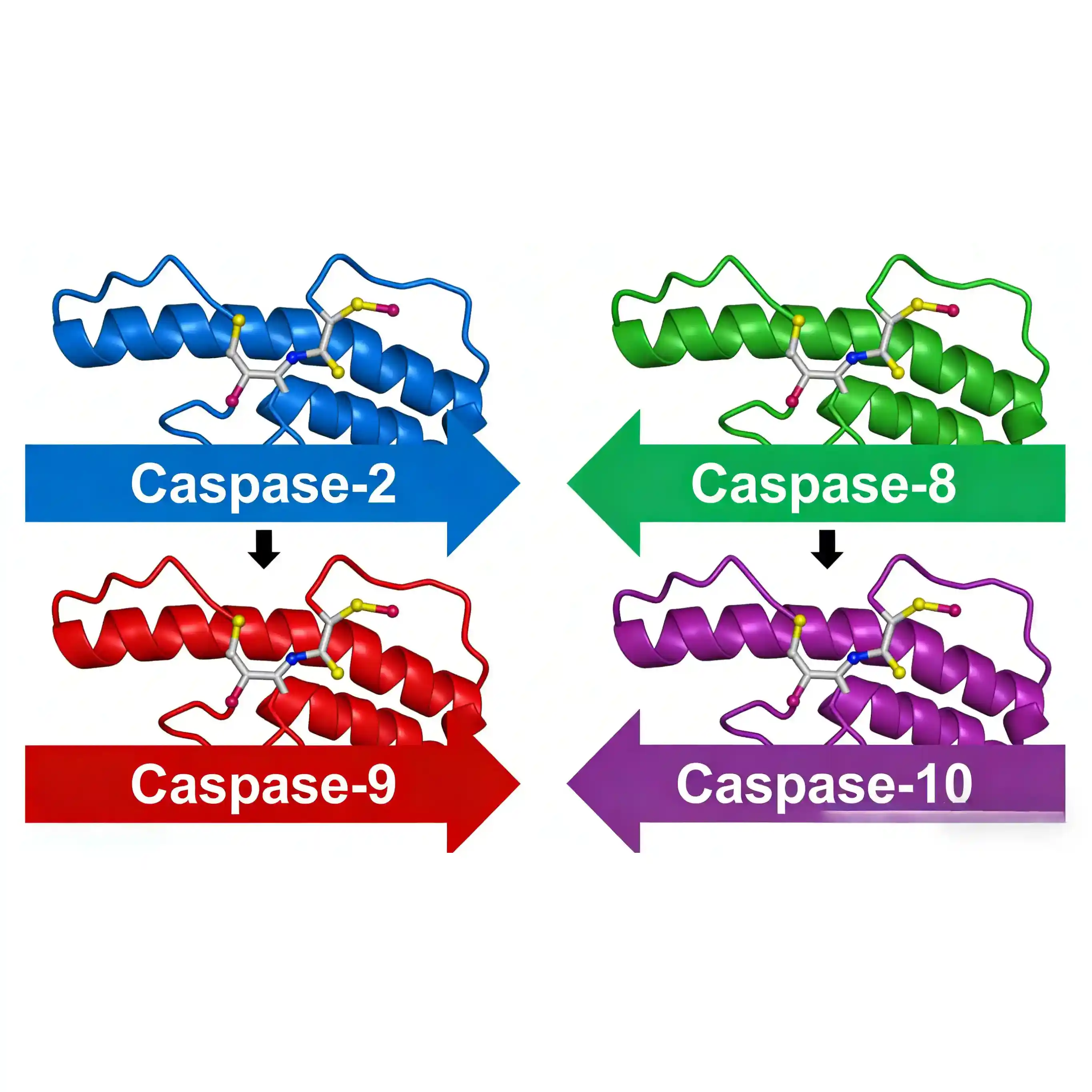
Apoptosis is a regulated physiological process leading to cell death. Caspases, a family of cysteine acid proteases, are central regulators of apoptosis. Initiator caspases (including 2, 8, 9, 10 and 12) are closely coupled to proapoptotic signals, which include FasL, TNF-α, and DNA damage. Once activated, these caspases cleave and activate downstream effector caspases (including 3, 6 and 7), which in turn cleave cytoskeletal and nuclear proteins such as PARP, α-fodrin, DFF and lamin A; inducing apoptosis.
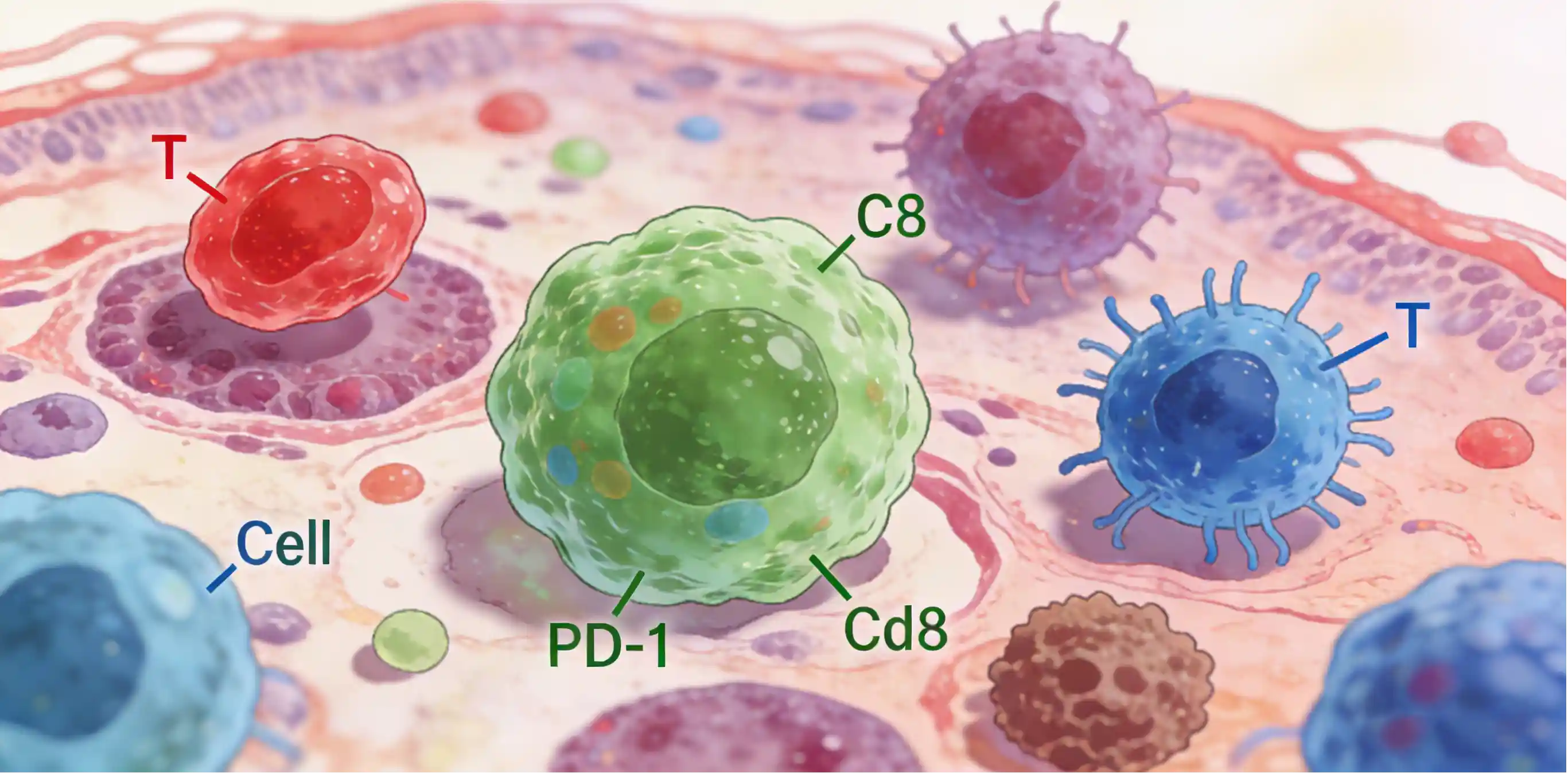
The immune system has the capability to detect and eliminate tumor cells, most notably through cytotoxic CD8+ T cell recognition of tumor antigens presented on the surface of tumor cells by MHC class I molecules. However, anti-tumor immune cells can be subject to various immunosuppressive mechanisms in the tumor microenvironment (TME).
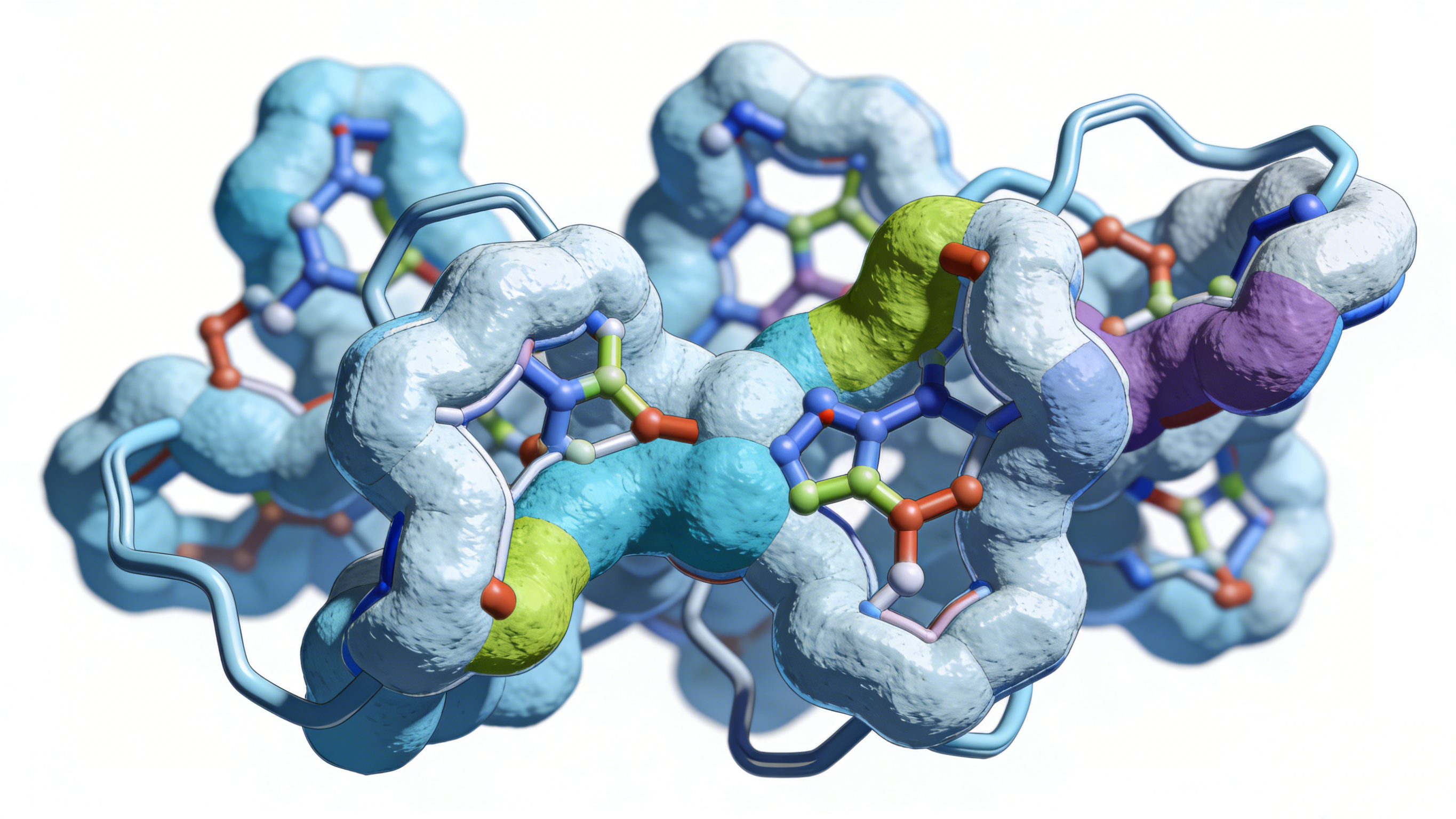
HSP70 and HSP90 are molecular chaperones expressed constitutively under normal conditions to maintain protein homeostasis and are induced upon environmental stress (1). HSP70 and HSP90 interact with unfolded proteins to prevent irreversible aggregation and catalyze the refolding of their substrates in an ATP-dependent manner (1).