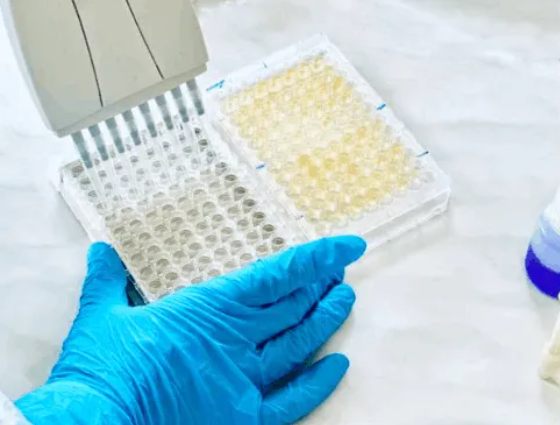
酶联免疫吸附法(ELISA)是经典免疫检测技术,依靠抗原抗体特异性结合,把可溶性抗原/抗体固定在固相微孔板上,借助酶催化底物显色的信号放大,对生物样本中微量物质做定性、定量检测。该技术灵敏度高、特异性强、样本用量少、可高通量检测,广泛用于临床病原体检测、肿瘤标志物筛查、自身抗体检测;科研上用于细胞因子、抗原、抗体等生物分子定量检测。
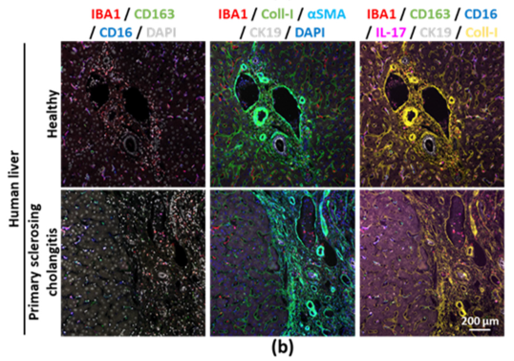
多重荧光免疫染色体系,依托连续染色与抗体洗脱技术,结合自动化数字图像分析,突破传统多重免疫组化的技术瓶颈,实现对存档石蜡包埋组织多靶点、高精度的免疫微环境解析,为肝脏炎症、肝纤维化、肝细胞癌等肝病的免疫机制研究提供全新技术支撑,同时为多器官组织的免疫表型分析提供通用实验方案。
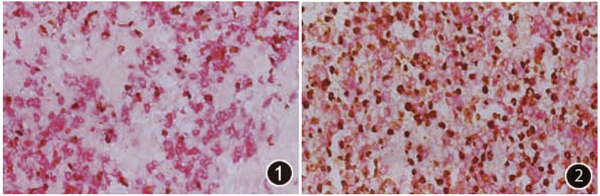
免疫组化双染(双重免疫组化染色,Double IHC)是在常规单一免疫组化染色基础上升级的病理检测技术,核心是在同一张组织切片(石蜡切片/冷冻切片)中,同时特异性标记、定位两种不同的靶抗原,通过两种对比度鲜明的显色体系区分信号,可以直观展现两种蛋白的表达位置、表达水平及共定位关系,跟荧光方式最大的不同就是不需要合并图片,肉眼即可发现两个蛋白颜色之不同,且可以永久保存,不用担心信号降解的问题。
免疫组化(IHC)是生命科学研究、临床病理诊断的核心技术,依托抗原‑抗体特异性结合原理,实现组织细胞内目标蛋白的定位、定性及半定量分析,而IHC试剂盒正是保障该技术精准、稳定、高效落地的标准化核心工具。相较于实验室自行配制试剂,商业化IHC试剂盒经过系统性配方优化、工艺验证和稳定性测试,大幅降低实验误差、减少批间差异,是肿瘤分型、疾病机制研究、靶向药物筛选领域不可或缺的基础耗材。
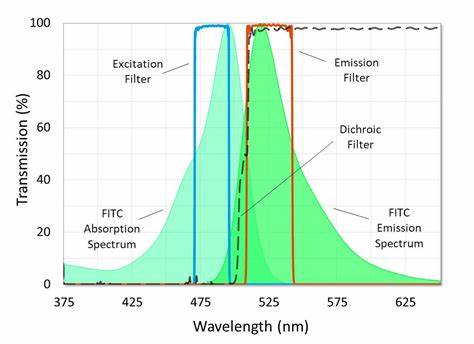
在生物医学检测与细胞分子实验研究领域,荧光标记技术是实现生物样本可视化观测、定性与定量分析的核心技术手段。异硫氰酸荧光素(FITC)作为经典的绿色荧光标记染料,凭借成熟的标记技术、良好的通用性以及较高的性价比,被广泛应用于免疫荧光染色、流式细胞检测、生物分子示踪及临床病理诊断等各类实验场景,是目前生物科研领域使用频次最高的荧光探针之一。
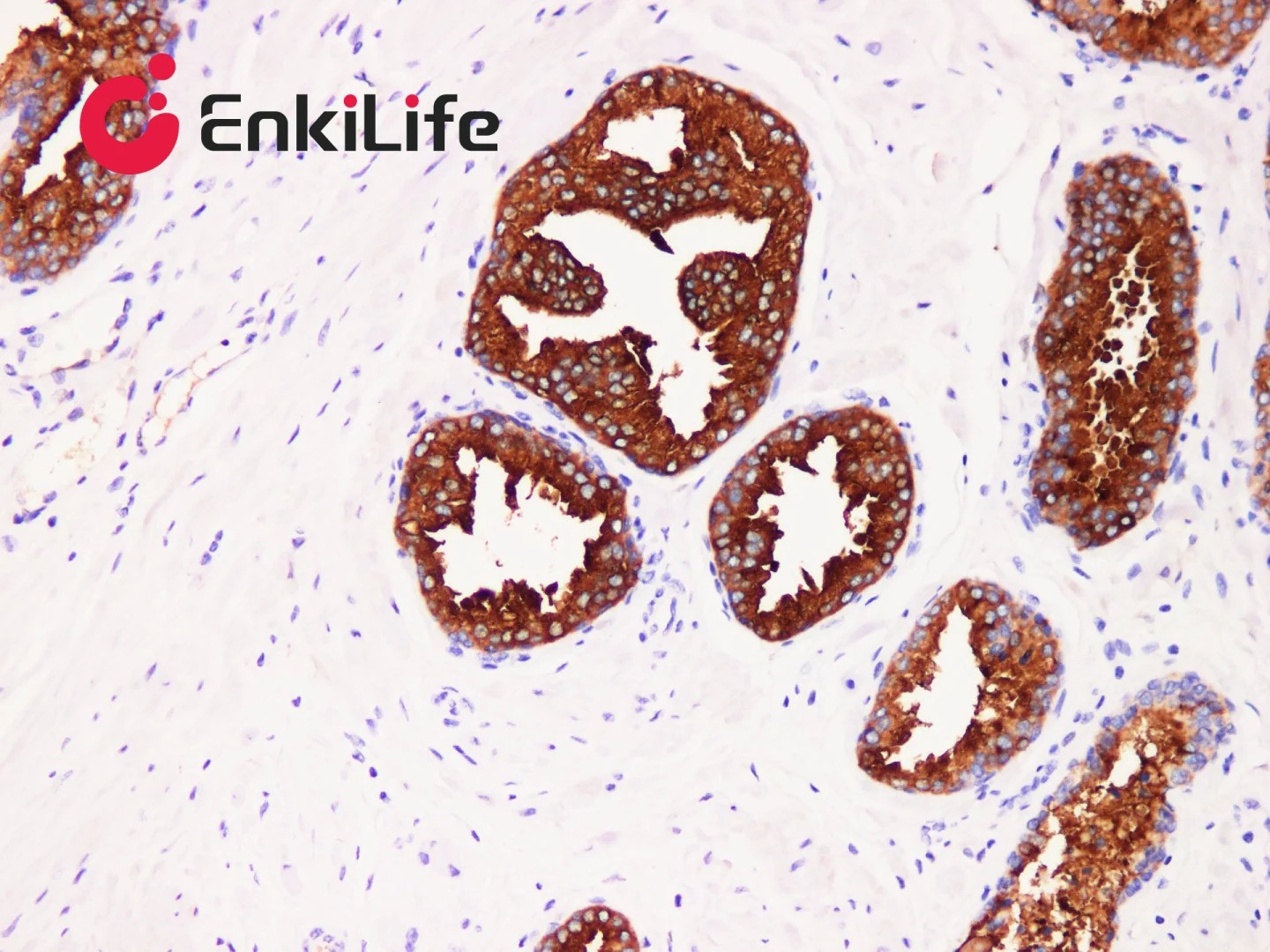
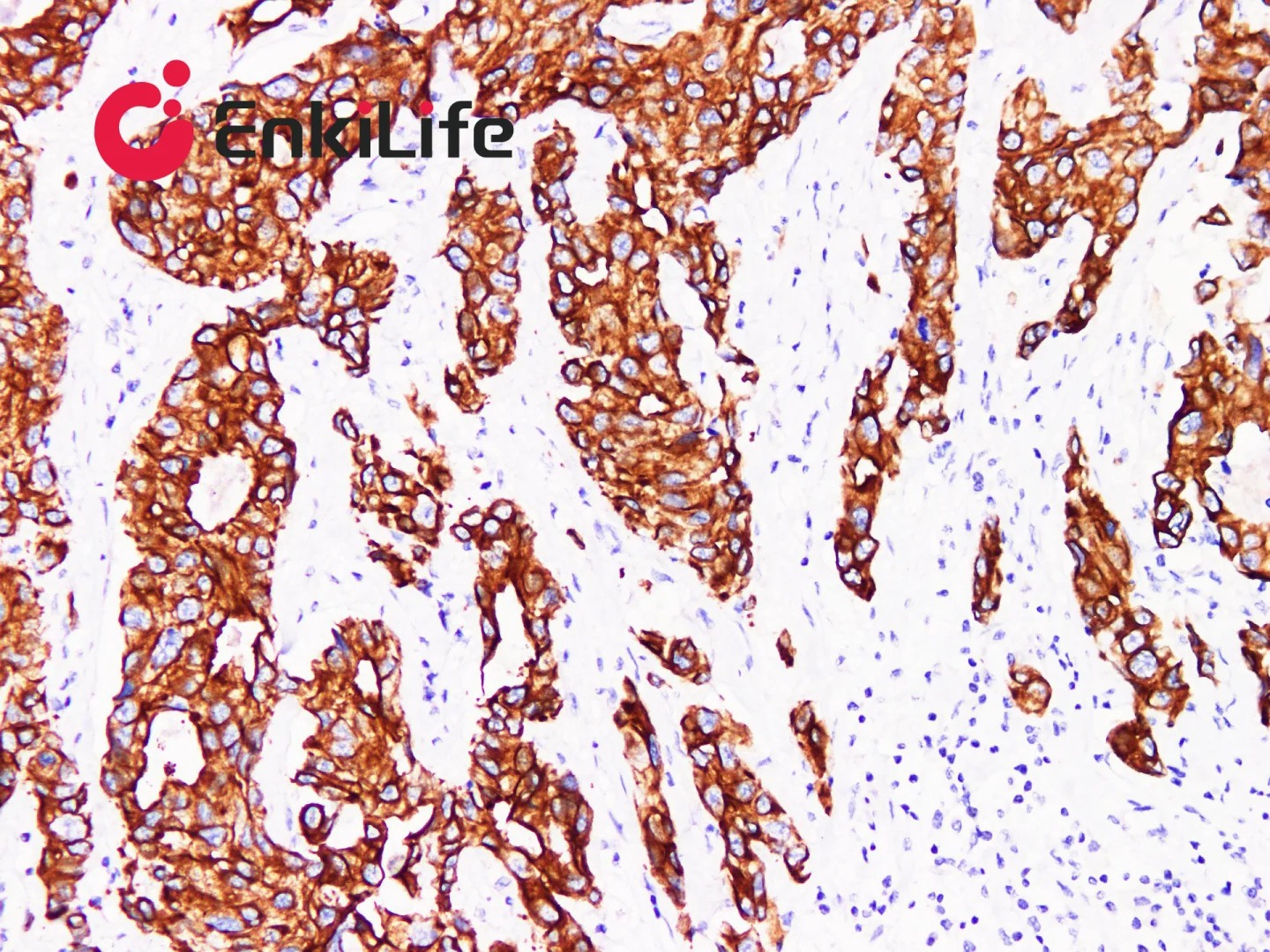
免疫组织化学(Immunohistochemistry, IHC)是融合免疫学、组织化学与显微成像的经典生物检测技术。核心依托抗原‑抗体特异性结合原理,结合化学显色反应,实现组织细胞内目标蛋白的原位定性、定位与半定量分析,是生命科学研究与临床病理诊断的核心技术之一。
在现代生命科学、免疫检测、细胞成像与分子生物学研究领域,荧光染料是实现生物分子可视化、定量检测与动态追踪的核心工具。在众多荧光染料体系中,Alexa Fluor(AF)系列染料凭借超高亮度、极致光稳定性、广谱pH耐受性与优异的光谱分辨率,成为目前科研与体外诊断领域的主流荧光标记试剂,广泛应用于免疫荧光染色、流式细胞术、荧光原位杂交(FISH)、多重荧光成像等场景。本文将从发展历史、分子结构、理化性质等全面详解Alexa Fluor系列染料的核心特性与应用优势。
TMB(3,3',5,5'- 四甲基联苯胺)是酶联免疫检测中最常用的显色底物,依托辣根过氧化物酶催化显色反应,广泛配套 ELISA、免疫组化等免疫偶联标记实验,直接决定检测数据的灵敏度、重复性与实验可信度。实际实验过程中,TMB 试剂储存方式、加样洗板、孵育管控、环境干扰等任一环节操作不当,均会引发背景偏高、无显色、孔间色差、读数波动、试剂提前氧化变质等各类异常问题,大幅增加实验重复成本,甚至造成临床样本、科研样本数据失效。
生物化学偶联标记的本质是利用生物分子间的特异性亲和作用与化学偶联反应,将具备识别功能的效应分子与具备检测、修饰、调控功能的标记物共价或非共价结合。其中,抗体、功能蛋白、多肽、核酸、小分子生物活性物质等为核心效应载体,承担靶标识别、特异性结合的核心作用;各类荧光、酶、生物功能修饰材料作为标记物,负责信号输出、性能优化、功能强化。
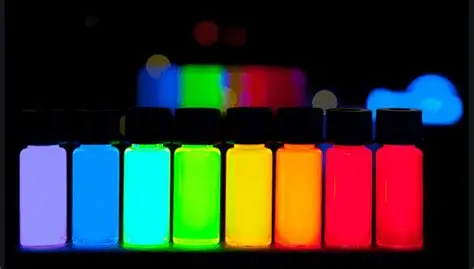
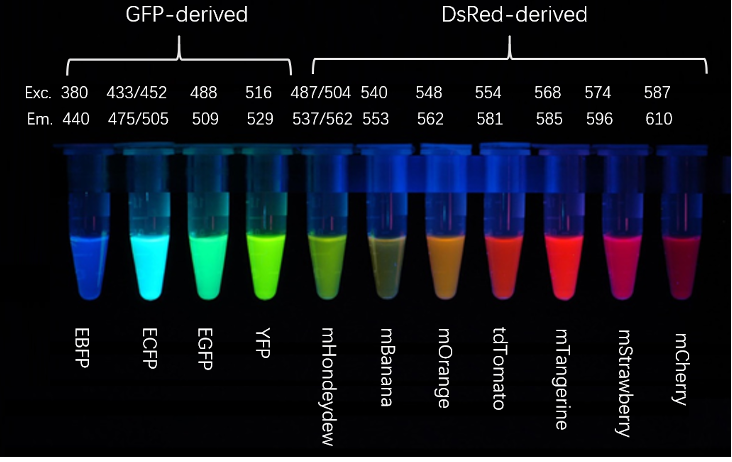
按照荧光颜色分类,可以更加直观地认识这些常用荧光蛋白的特点。从蓝色、青色、绿色、黄色,到橙红色、远红色,不同波长的荧光蛋白各自承担着不同的科研任务。