
TGF-家族(此处疑似不完整)
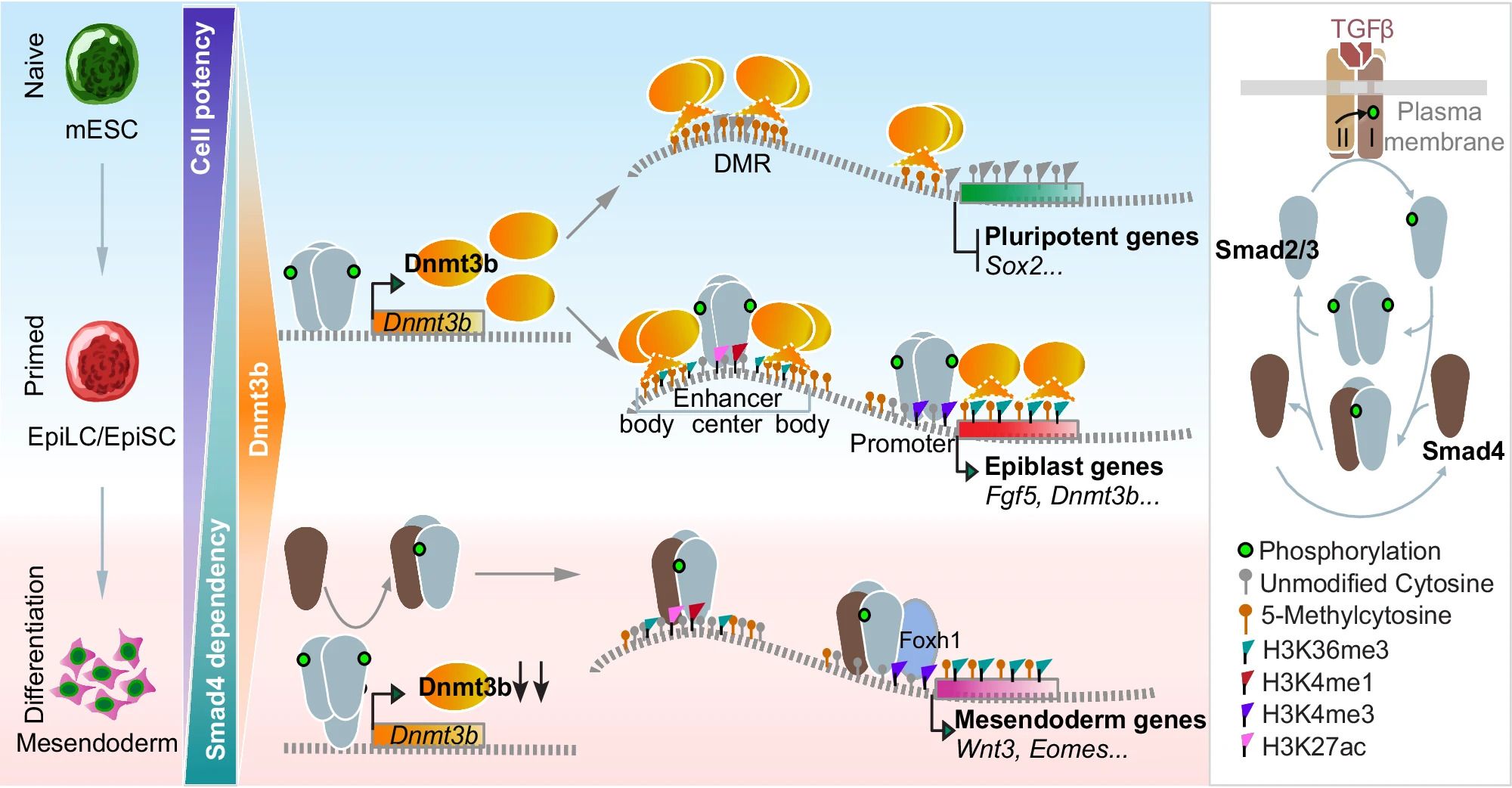
The transforming growth factor-β (TGF-β) superfamily comprises over 30 members, including TGF-β, Activin, Inhibin, bone morphogenetic proteins (BMPs), and growth differentiation factors (GDFs). It can be roughly divided into two subfamilies: the TGF-β/Activin/Nodal subfamily and the BMP/GDF/MIS (Müllerian inhibiting substrate) subfamily.
乙酰化组蛋白H3/H4
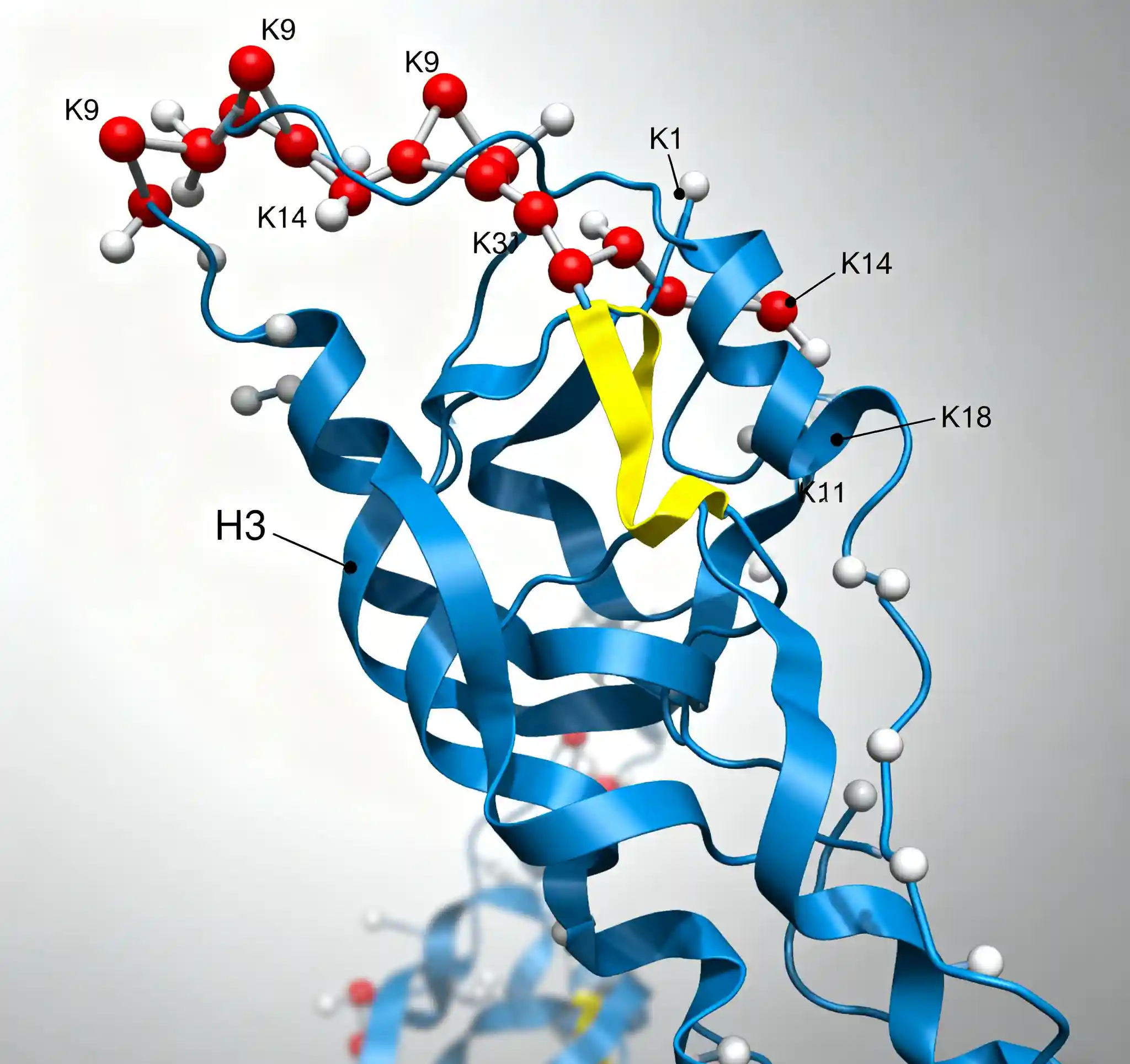
Acetyl-Histone H3/H4 In eukaryotic nuclei, ~150 bp of DNA is wrapped around the histone octamer, which consists of two copies of four core histones (i.e., H2A, H2B, H3, and H4) to form a nucleosome, the fundamental unit of chromatin. Post-translational modifications on these histones play a critical role in genome function, including the regulation of transcription and the maintenance of genome integrity [1]. Since H3 and H4 are more stably integrated into nucleosomes compared to H2A and H2B , the modifications on H3 and H4 can act as long-term memory of epigenetic regulation[2].
ELISA故障排除指南
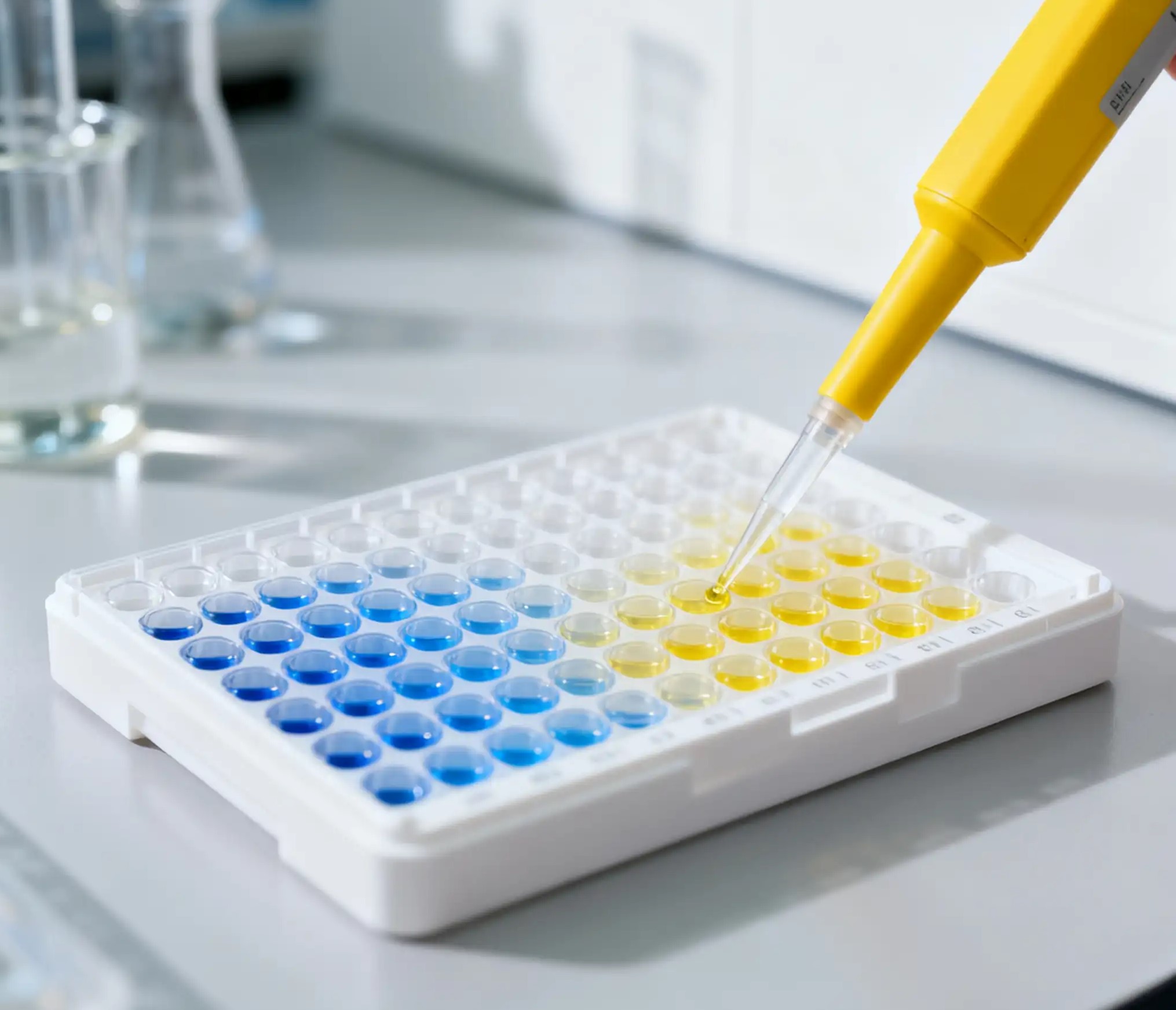
High background No signal Too much signal - whole plate turned uniformly blue Standard curve achieved but poor discrimination between points Poor duplicates Poor assay to assay reproducibility No signal when a signal is expected, but standard curve looks fine Samples are reading too high, but standard curve looks fine Very Low Readings Across the Plate Green color develops upon addition of stop solution when using streptavidin-HRP Edge Effects
乙酰化组蛋白
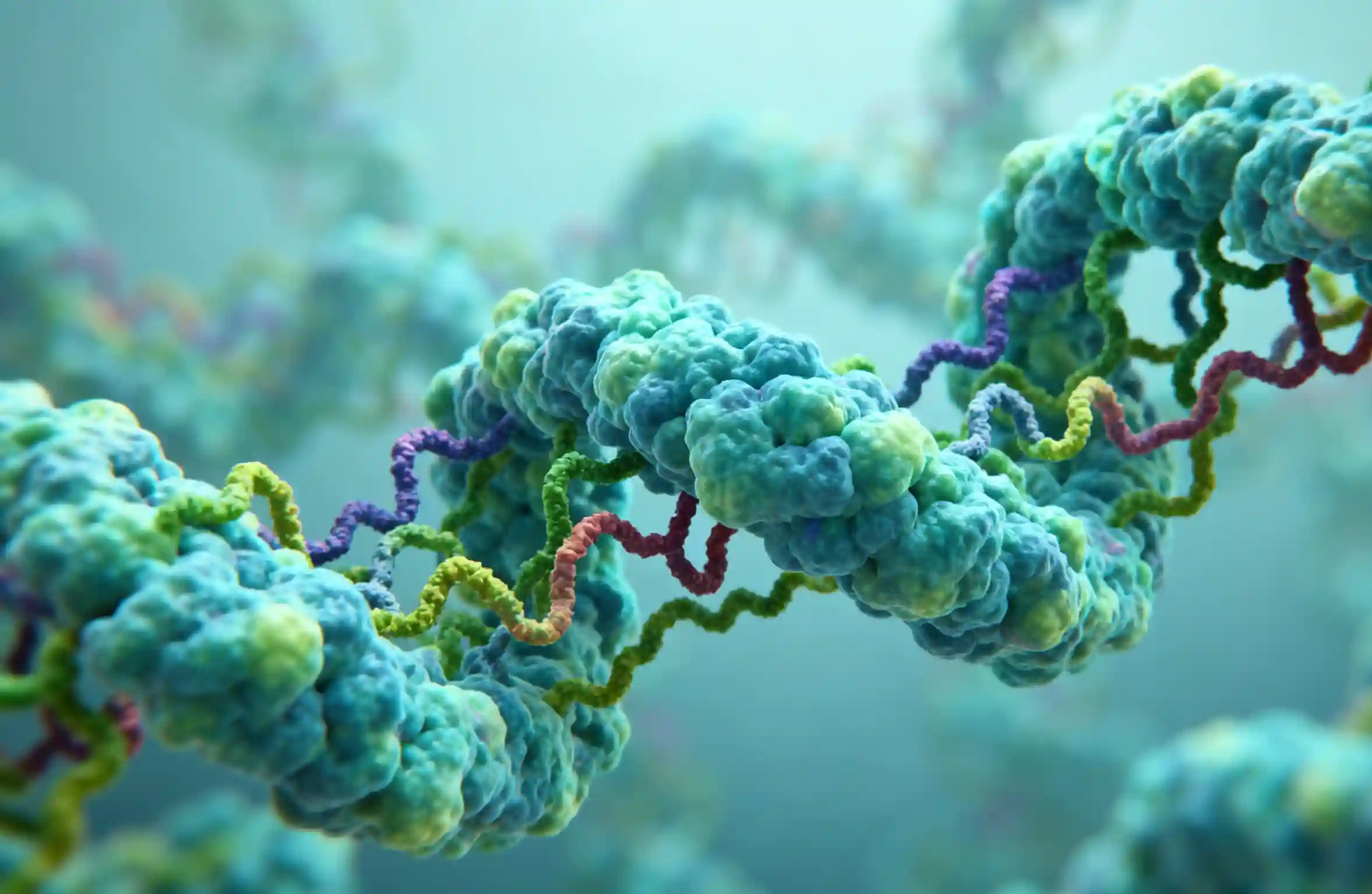
Lysine acetylation is a reversible post-translational modification that plays a crucial role in regulating protein function, chromatin structure, and gene expression[1]. Many transcriptional coactivators possess intrinsic acetyltransferase activity, while transcriptional corepressors are associated with deacetylase activity[2]. In response to signaling pathways, acetylation complexes (such as CBP/p300 and PCAF) or deacetylation complexes (such as Sin3, NuRD, NCoR, and SMRT) assemble to bind to DNA-bound transcription factors (TFs).
乙酰辅酶A羧化酶1和2
Acetyl-CoA Carboxylase 1 and 2 Acetyl-CoA carboxylases (ACCs) are enzymes that catalyze the carboxylation of acetyl-CoA to produce malonyl-CoA1. In mammals, ACC1 and ACC2 are two members of ACCs. ACC1 localizes in the cytosol and acts as the first and rate-limiting enzyme in the de novo fatty acid synthesis pathway2. ACC2 localizes on the outer membrane of mitochondria and produces malonyl-CoA to regulate the activity of carnitine palmitoyltransferase 1 (CPT1) that involves in the β-oxidation of fatty acid. Fatty acid synthesis is central in a myriad of physiological and pathological conditions3.