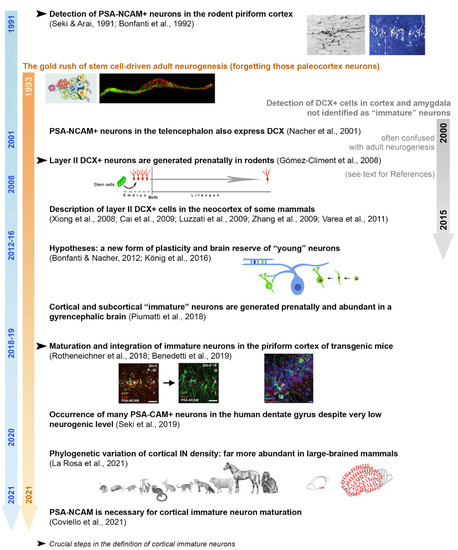

The results obtained in the cerebral cortex would suggest a rather sharp definition of “immature” neurons as non-newly generated, prenatally generated cells.
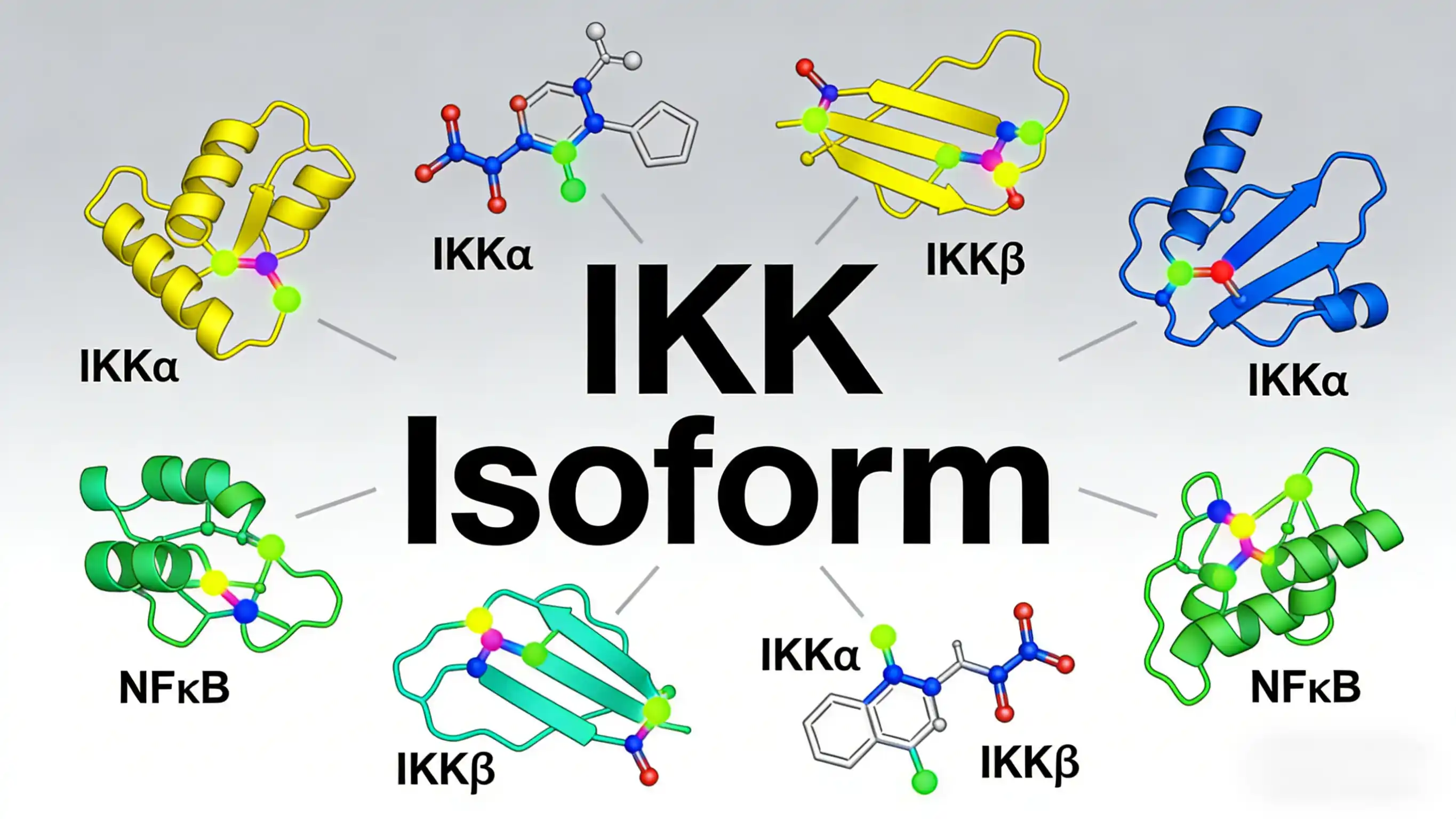
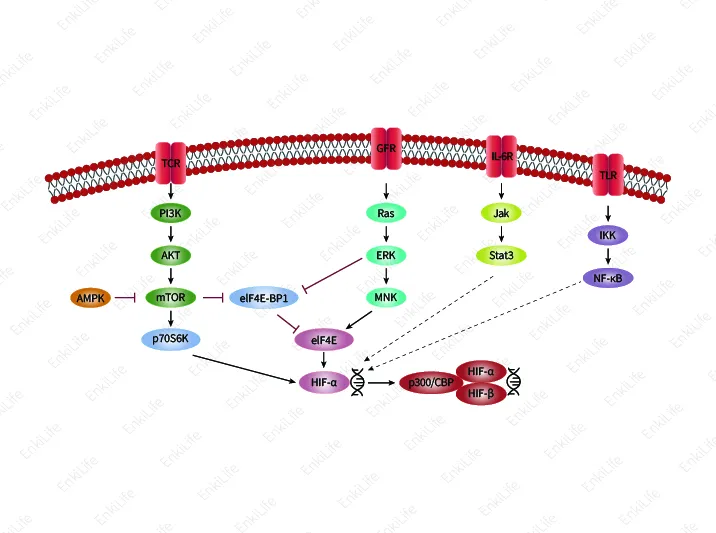
The NF-κB/Rel transcription factors are present in the cytosol in an inactive state, complexed with the inhibitory IκB proteins. Most agents that activate NF-κB do so through a common pathway based on phosphorylation-induced, proteasome-mediated degradation of IκB.
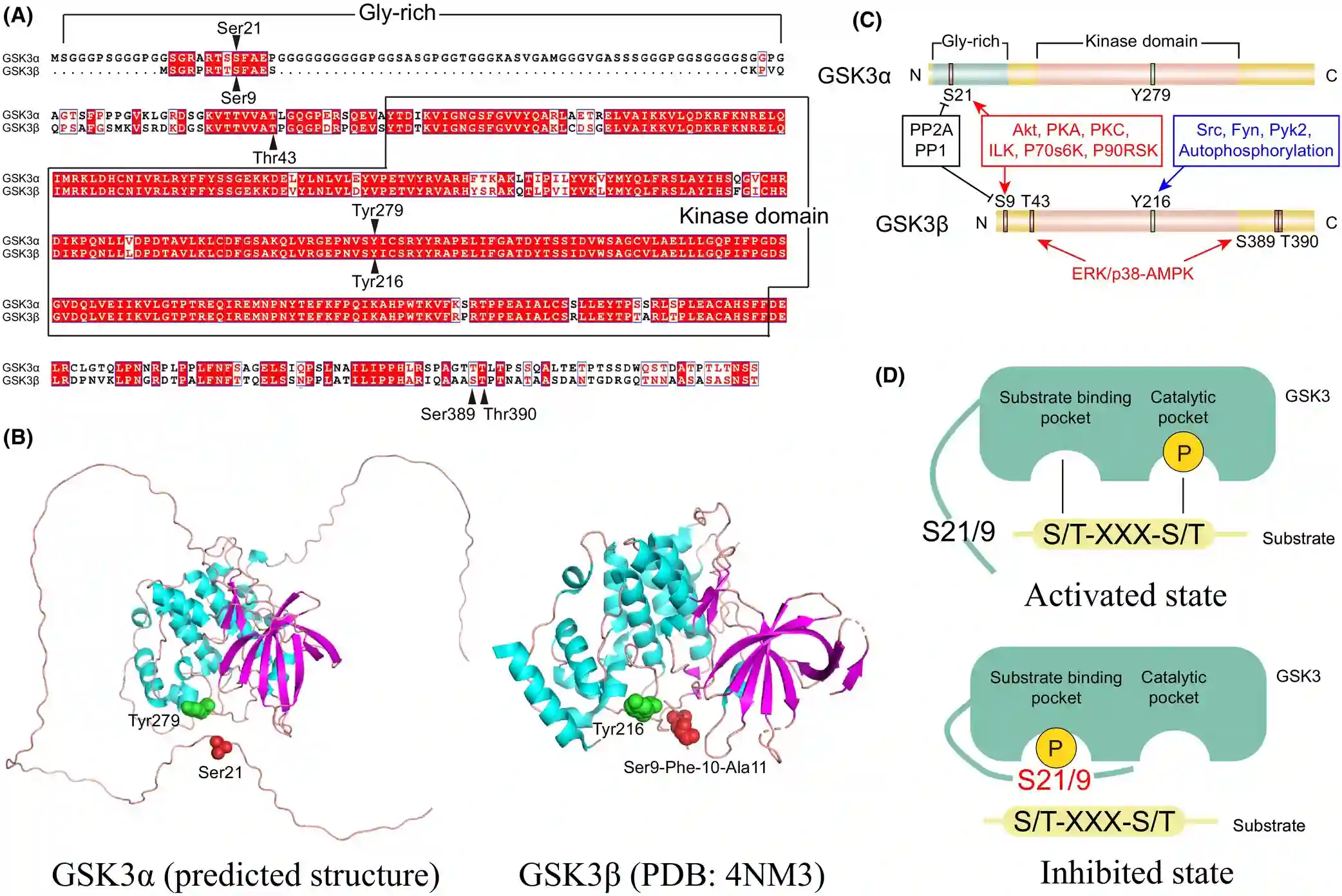
Glycogen synthase kinase-3 (GSK-3) was initially identified as an enzyme that regulates glycogen synthesis in response to insulin.
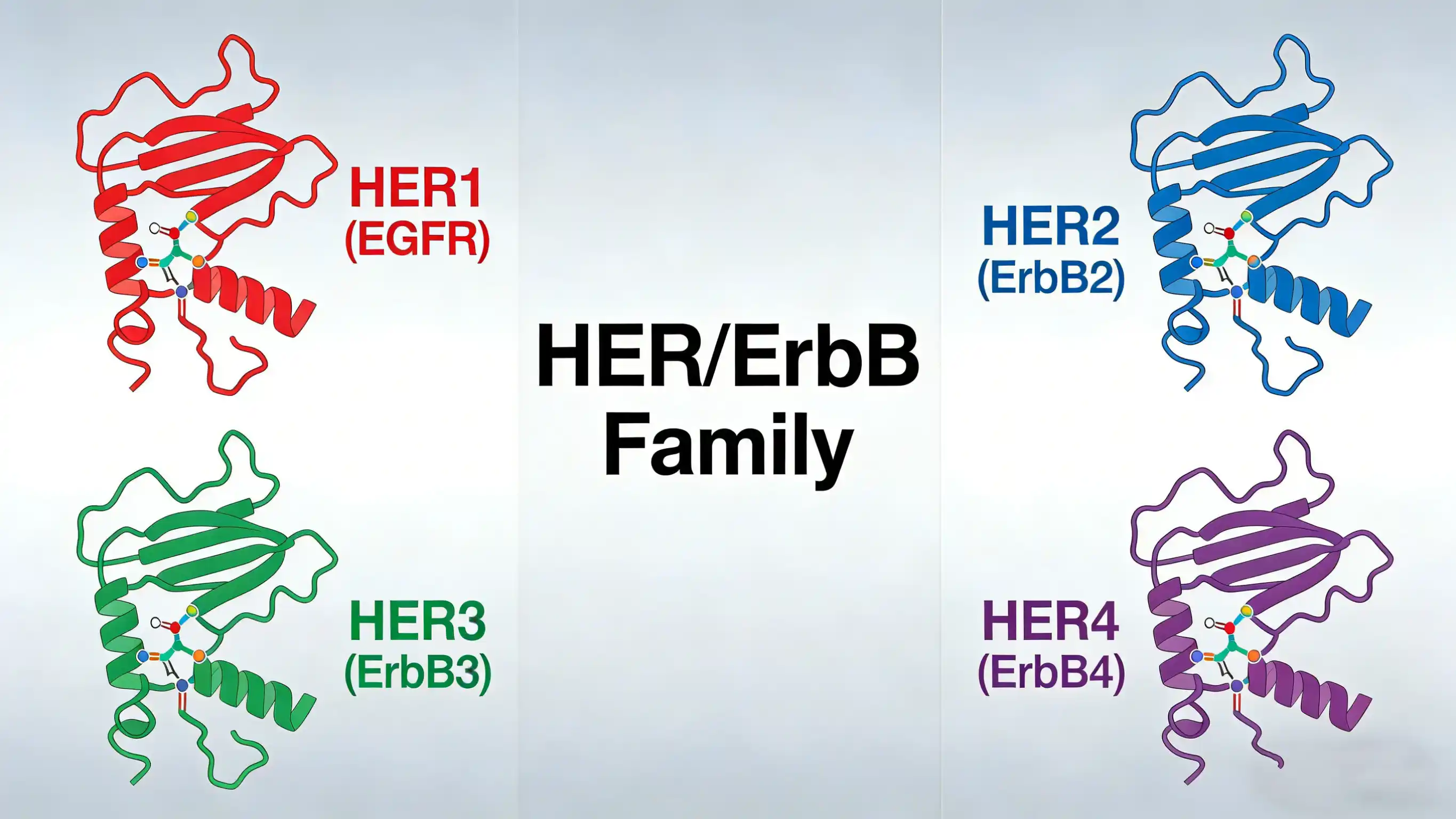
The epidermal growth factor (EGF) receptor is a transmembrane tyrosine kinase that belongs to the HER/ErbB protein family. Ligand binding results in receptor dimerization, autophosphorylation, activation of downstream signaling, internalization, and lysosomal degradation.
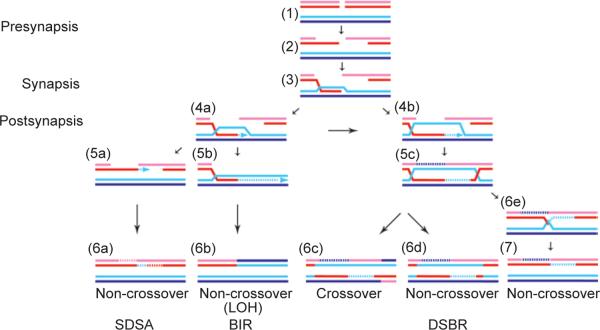
DNA double-strand breaks (DSBs) are potentially hazardous lesions that can be induced by ionizing radiation (IR), radiomimetic chemicals, or DNA replication inhibitors.
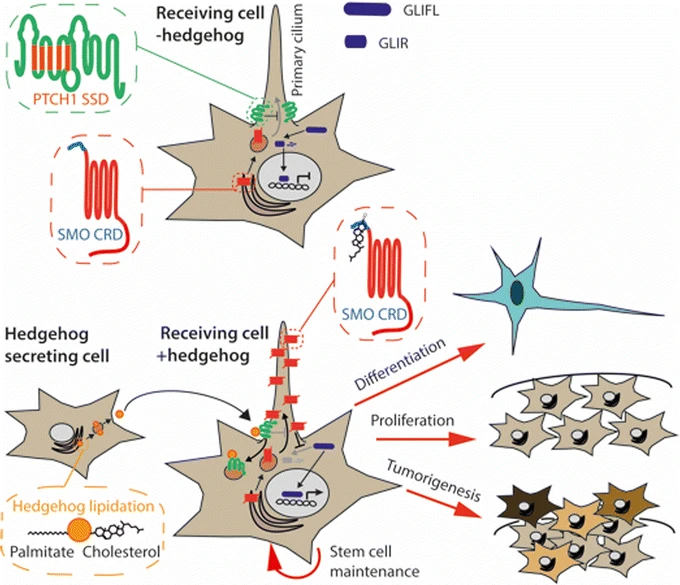
Many of the genes that encode hedgehog pathway components have subsequently been associated with a range of inherited human developmental disorders and other pathologies.
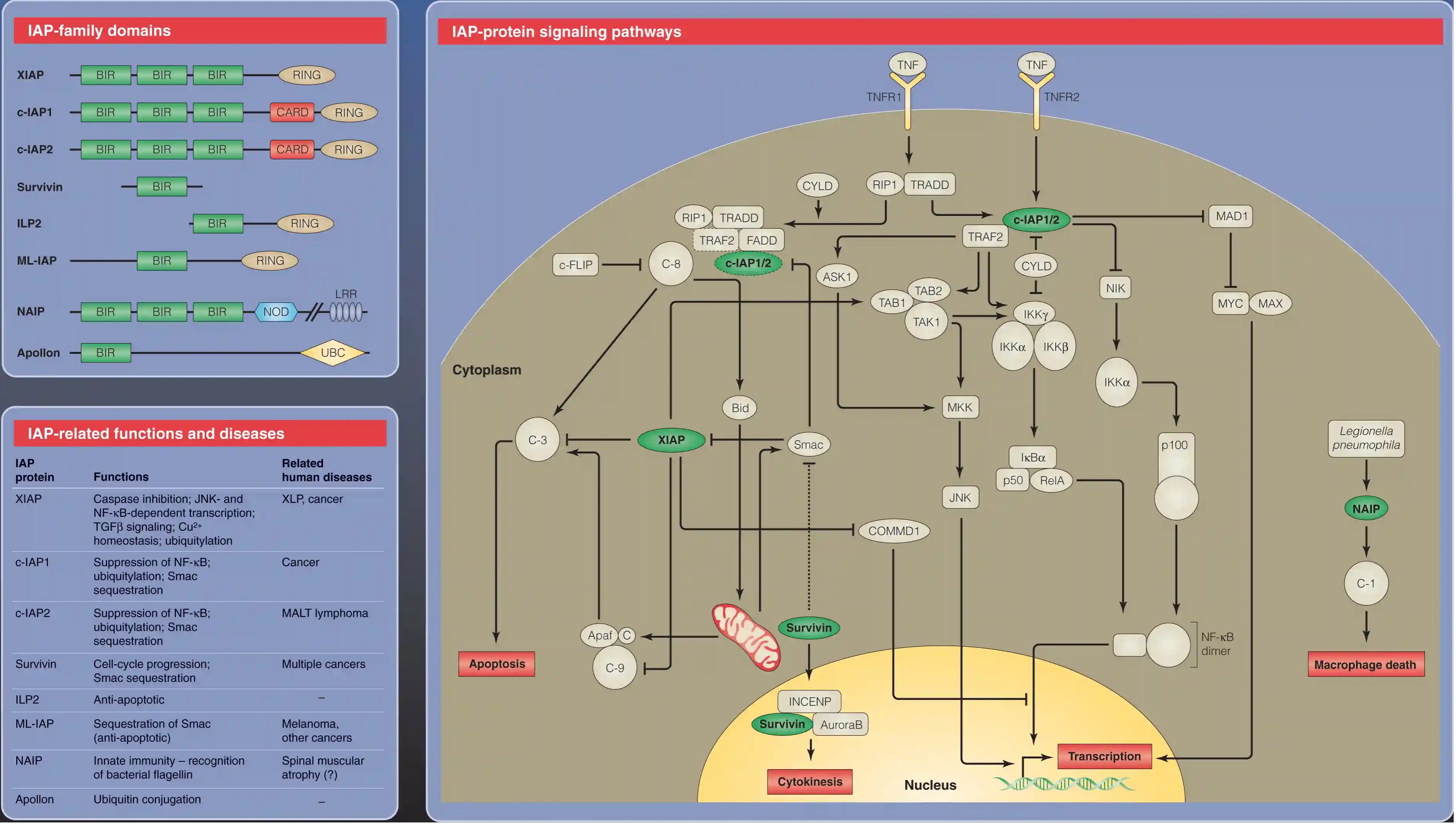
It is generally divided into two broad histological classThe inhibitor of apoptosis protein (IAP) family consists of an evolutionarily conserved group of apoptosis inhibitors containing a conserved 70 amino acid BIR (baculovirus inhibitor repeat) domain.
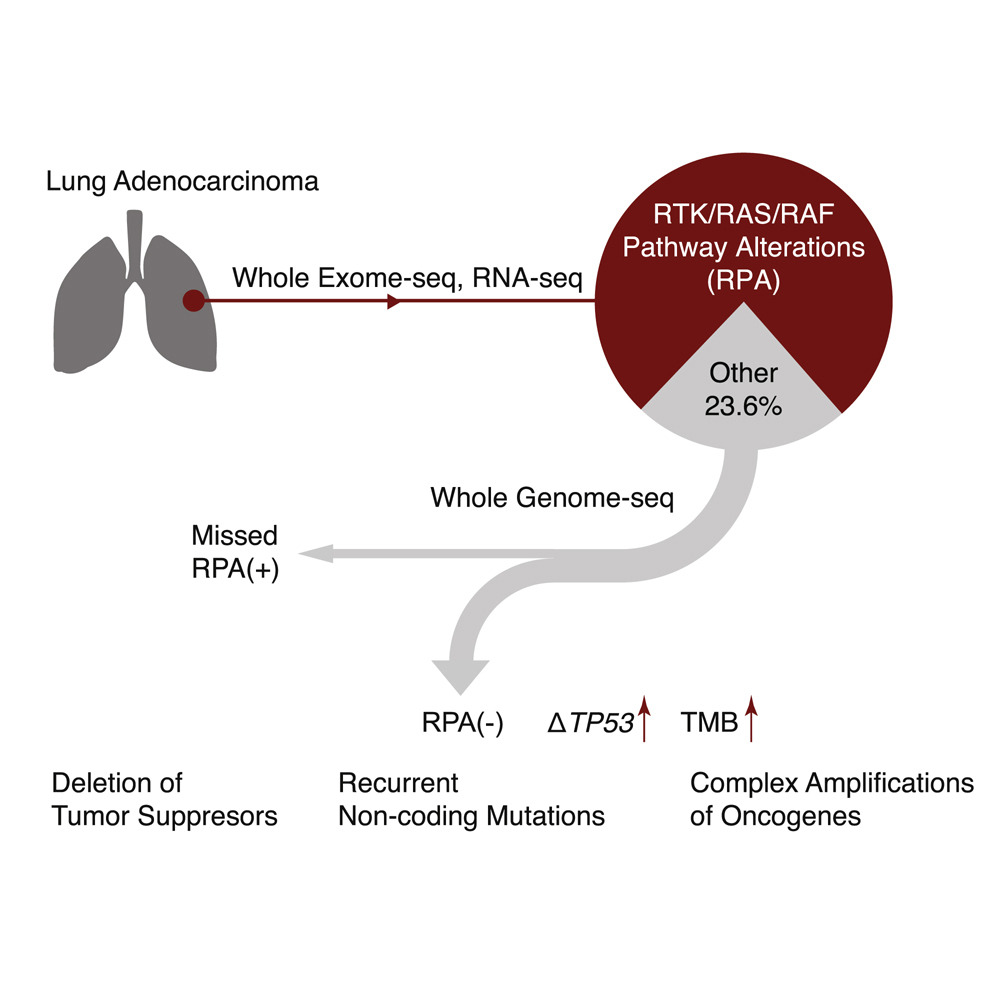
Lung cancer is the leading cause of cancer-related mortality worldwide. It is generally divided into two broad histological classifications: small cell lung cancer (SCLC) and non-small cell lung cancer (NSCLC). NSCLC comprises about 80-85% of all lung cancers.
Functional Neuron Markers (FNMs) are a class of molecular markers specifically expressed in different functional subtypes of neurons, which are directly associated with the core physiological functions, signal transduction, and phenotypic characteristics of neurons.