
糖酵解
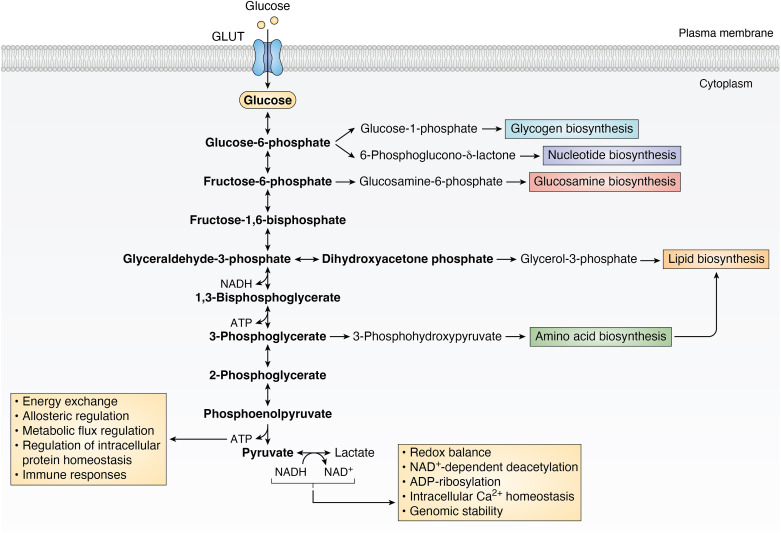
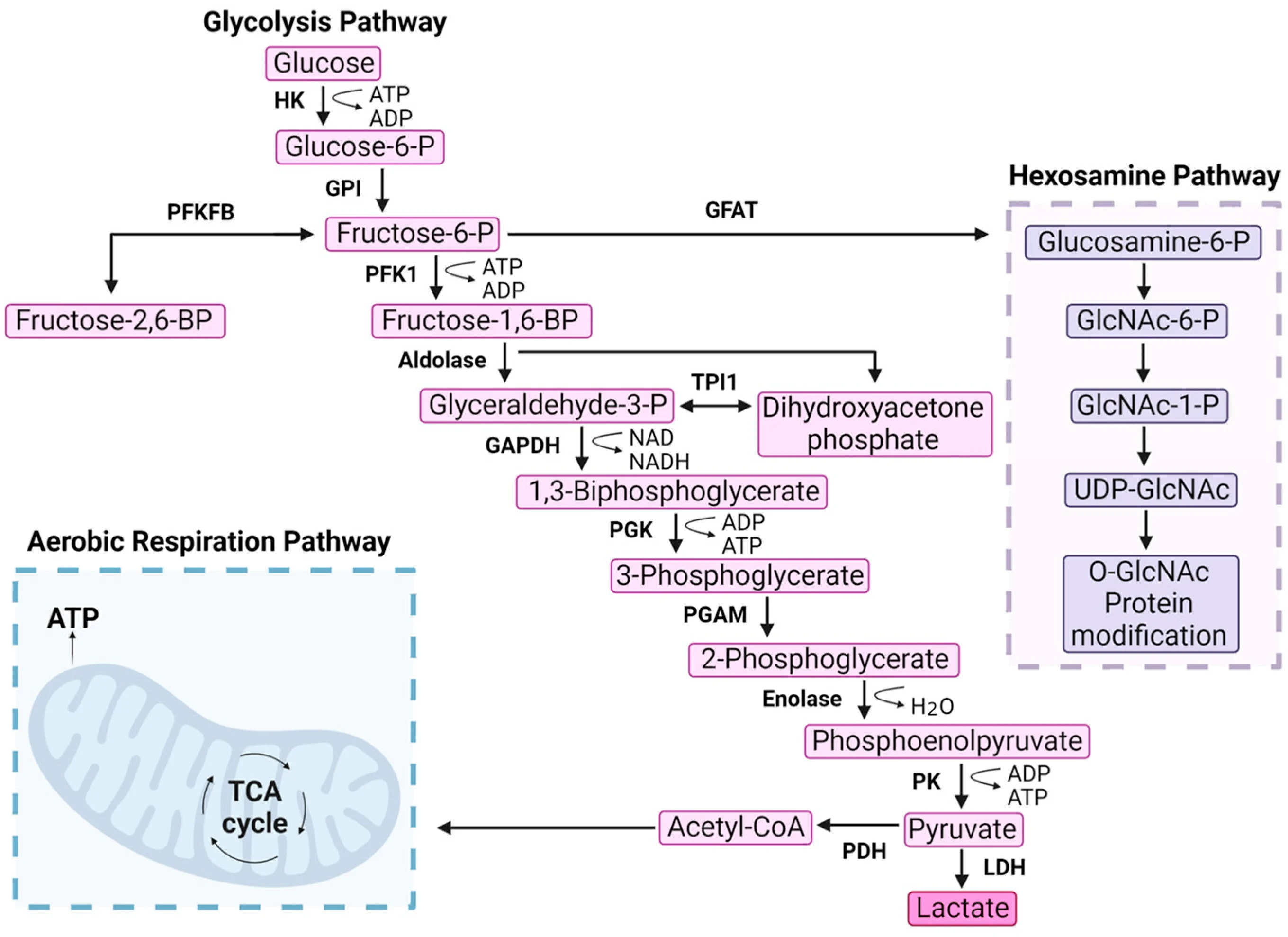
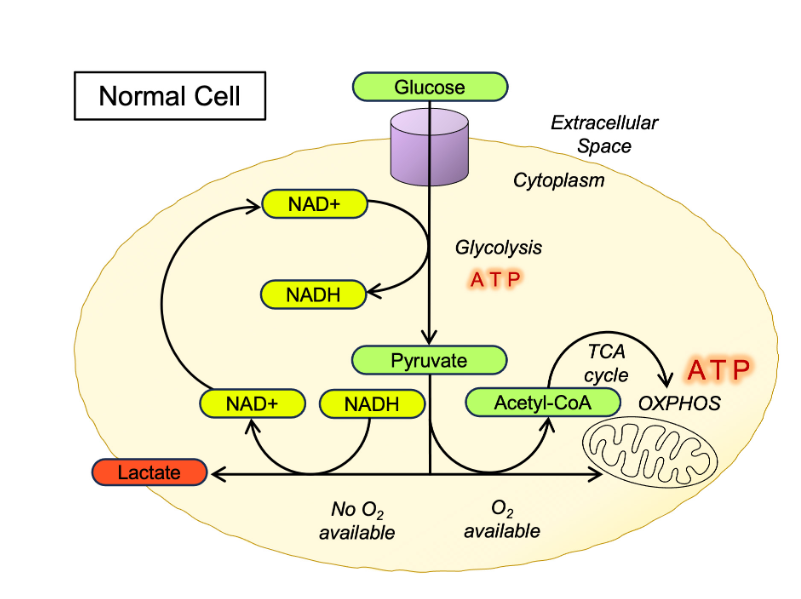
Glycolysis Glycolysis is the metabolic process by which glucose is converted to pyruvate in a sequence of enzymatic steps. Hexokinase catalyzes the conversion of glucose to glucose-6-phosphate, the first step in glycolysis. Hexokinases I, II, and III are associated with the outer mitochondrial membrane and are critical for maintaining an elevated rate of aerobic glycolysis in cancer cells (Warburg effect).
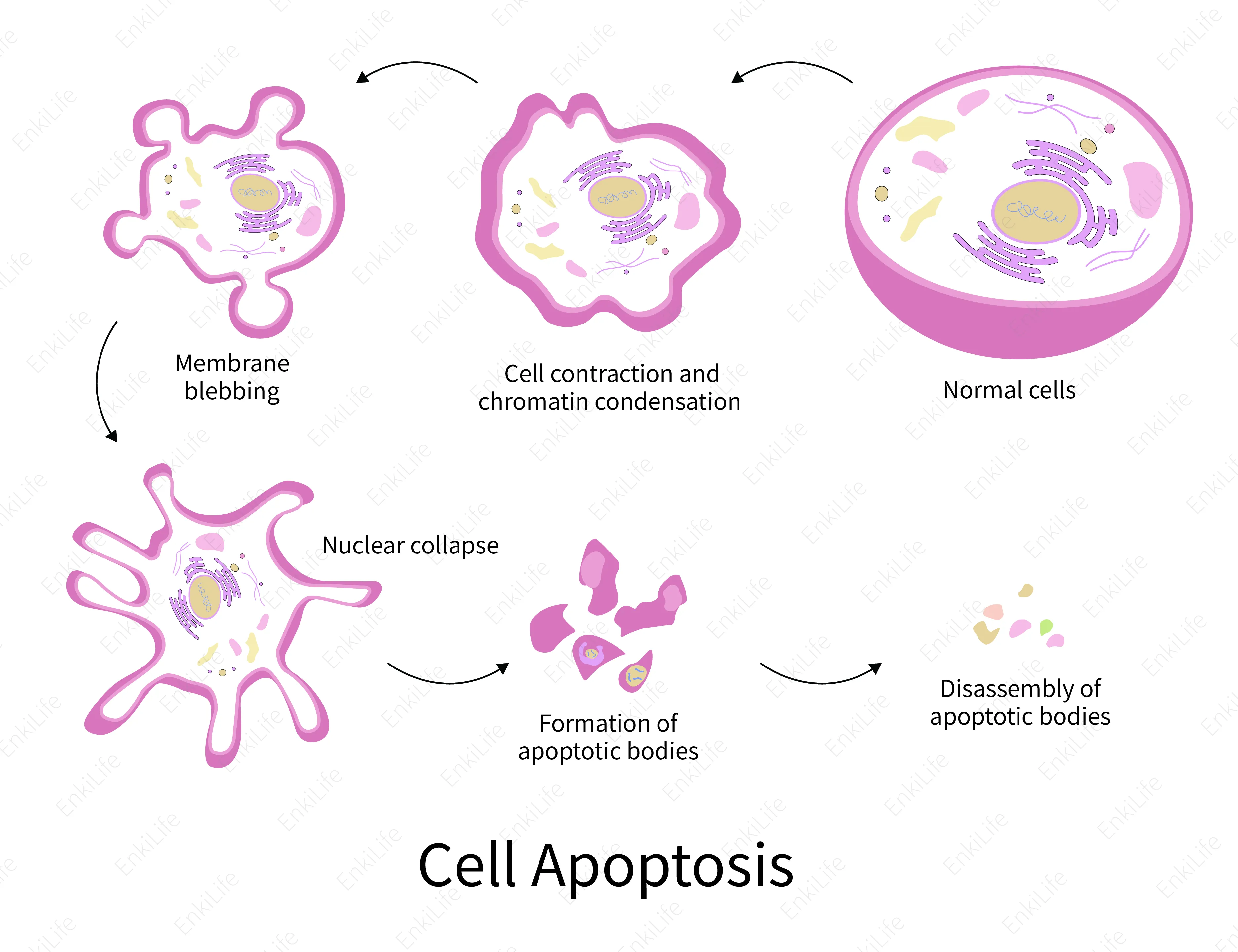
细胞增殖
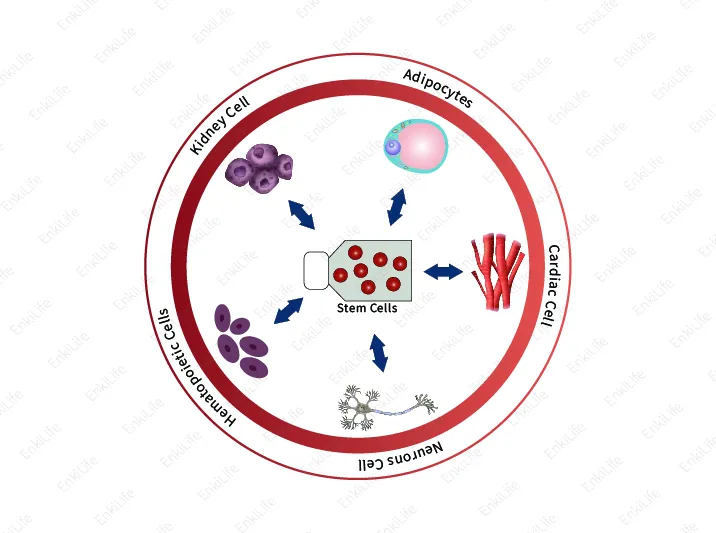
Cell proliferation is an important concept in cell biology, referring to the process by which cells increase in number through division. It is the foundation for the growth, development, reproduction, and tissue repair of living organisms. Below is a detailed introduction to cell proliferation:
谷氨酰胺代谢
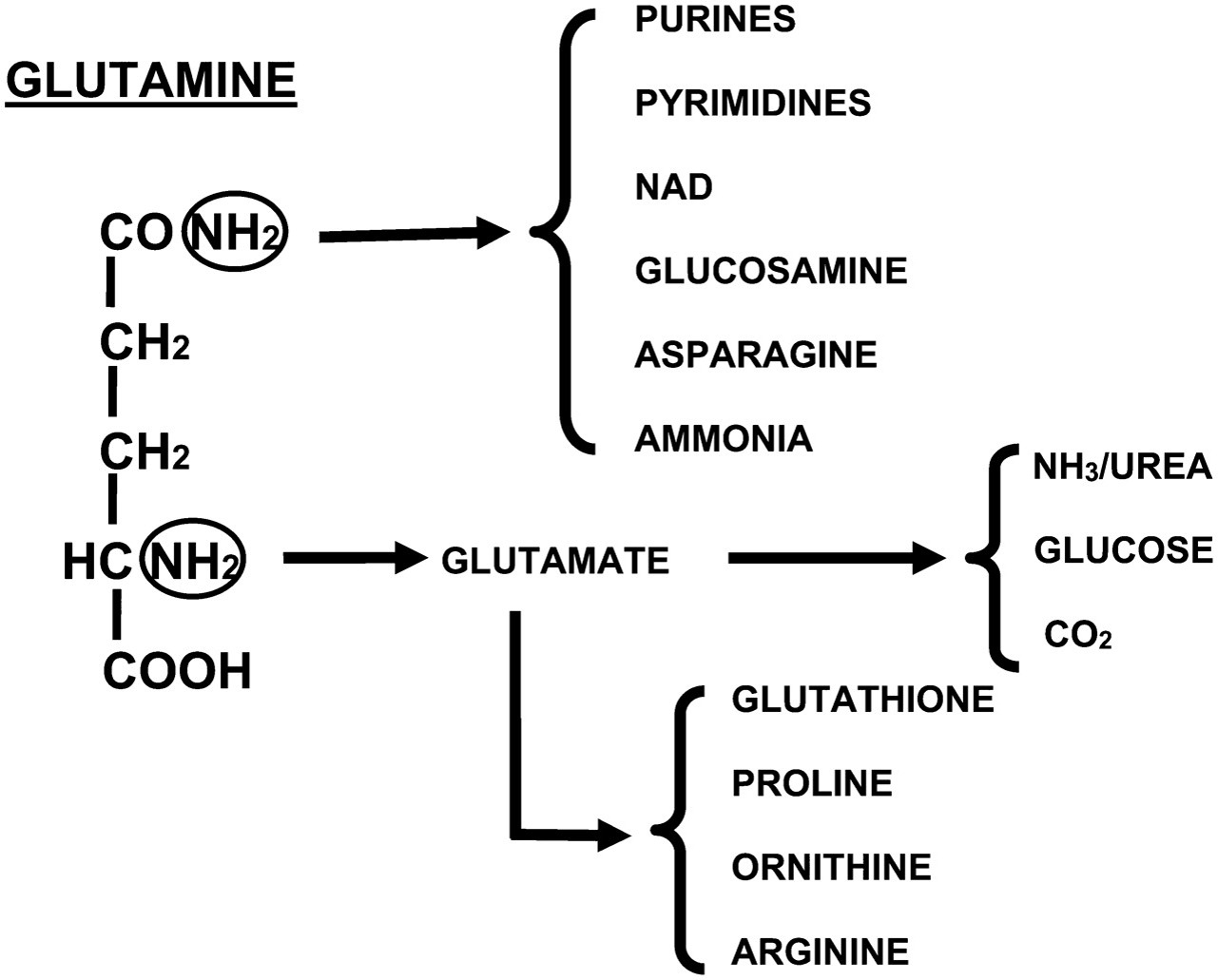
Glutamine metabolism is a pivotal process in cellular physiological activities, closely linked to tumor growth, energy homeostasis, and disease pathogenesis. This paper focuses on key molecules in the glutamine metabolic pathway, including the glutamine transporter ASCT2 (SLC1A5), rate-limiting enzymes GFAT1/GFAT2, glutaminases GLS1/GLS2, glutamate dehydrogenase, GOT1, and ASNS. It elaborates on their biological functions, catalytic mechanisms, and regulatory roles in processes such as hexosamine biosynthesis, glutaminolysis, and redox balance. In addition, the correlation between abnormal expression of these molecules and diseases such as cancer, hyperglycemia, and insulin resistance is discussed. Relevant antibodies for experimental research are listed to provide a theoretical reference and experimental tool support for the study of glutamine metabolism and its targeted therapy.
HSP27
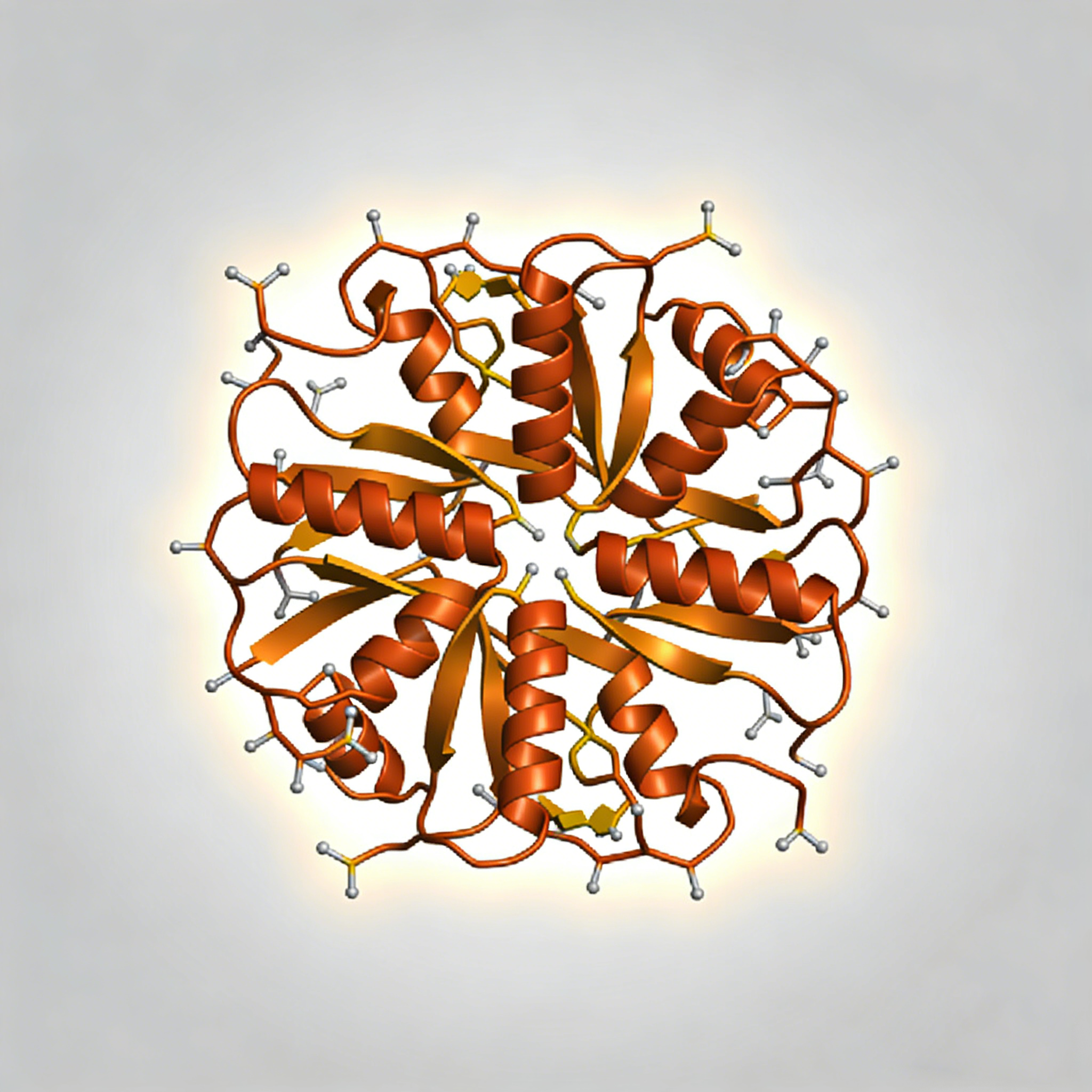
Heat shock protein (HSP) 27 is one of the small HSPs that are constitutively expressed at different levels in various cell types and tissues. Like other small HSPs, HSP27 is regulated at both the transcriptional and posttranslational levels (1). In response to stress, the HSP27 expression increases several-fold to confer cellular resistance to the adverse environmental change. HSP27 is phosphorylated at Ser15, Ser78, and Ser82 by MAPKAPK-2 as a result of the activation of the p38 MAP kinase pathway (2,3). Phosphorylation of HSP27 causes a change in its tertiary structure, which shifts from large homotypic multimers to dimers and monomers (4). It has been shown that phosphorylation and increased concentration of HSP27 modulates actin polymerization and reorganization (5,6).
IRAK亚型
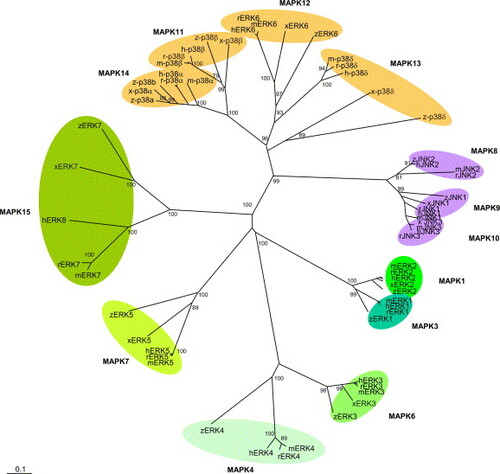
Interleukin-1 (IL-1) receptor-associated kinase (IRAK) is a serine/threonine-specific kinase that can be copreciInterleukin-1 (IL-1) pitated in an IL-1-inducible manner with the IL-1 receptor. The mammalian family of IRAK molecules contains four members (IRAK1, IRAK2, IRAK3/IRAK-M, and IRAK4).