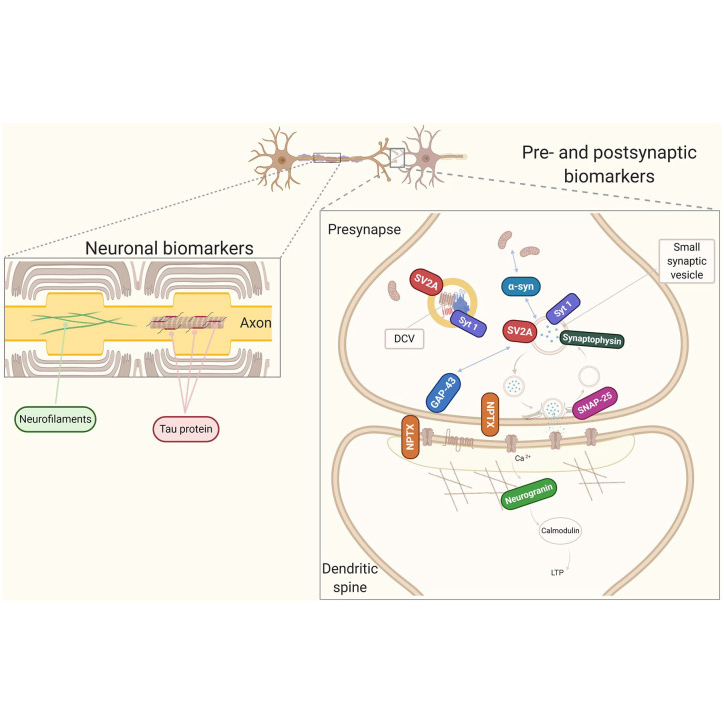

突触前与突触后标志物
Synapses are the site for brain communication where information is transmitted between neurons and stored for memory formation.
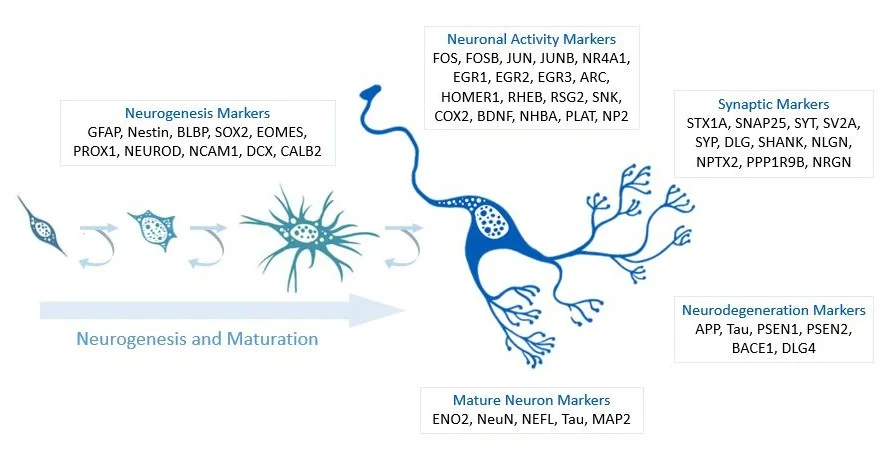
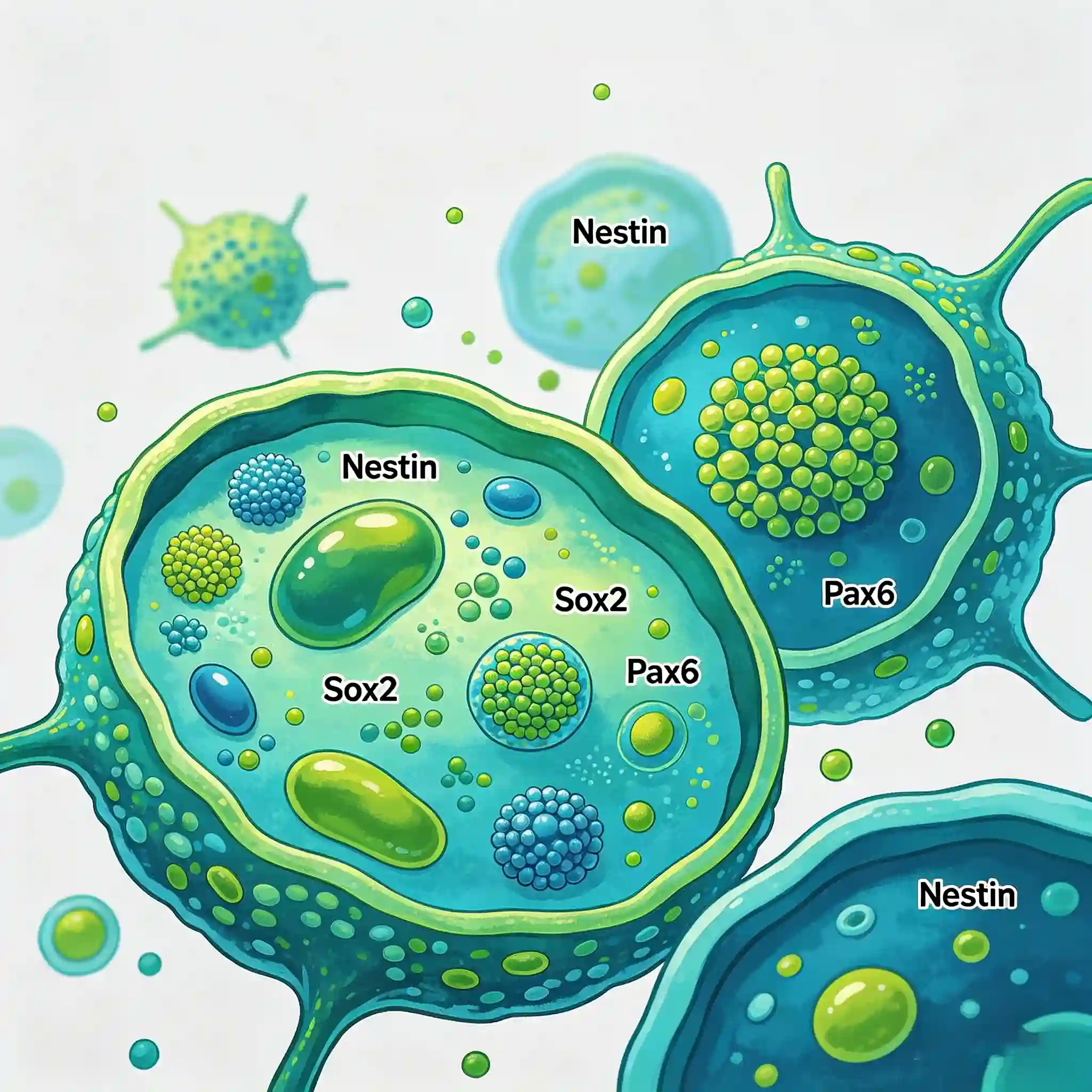
Neuroectodermal markers are a class of biomolecules that are specifically expressed in cells derived from the embryonic neuroectoderm, including proteins, enzymes, receptors, and transcription factors. They are primarily expressed in neurons, glial cells, neuroendocrine cells, neural crest cells, and their corresponding tumor cells.
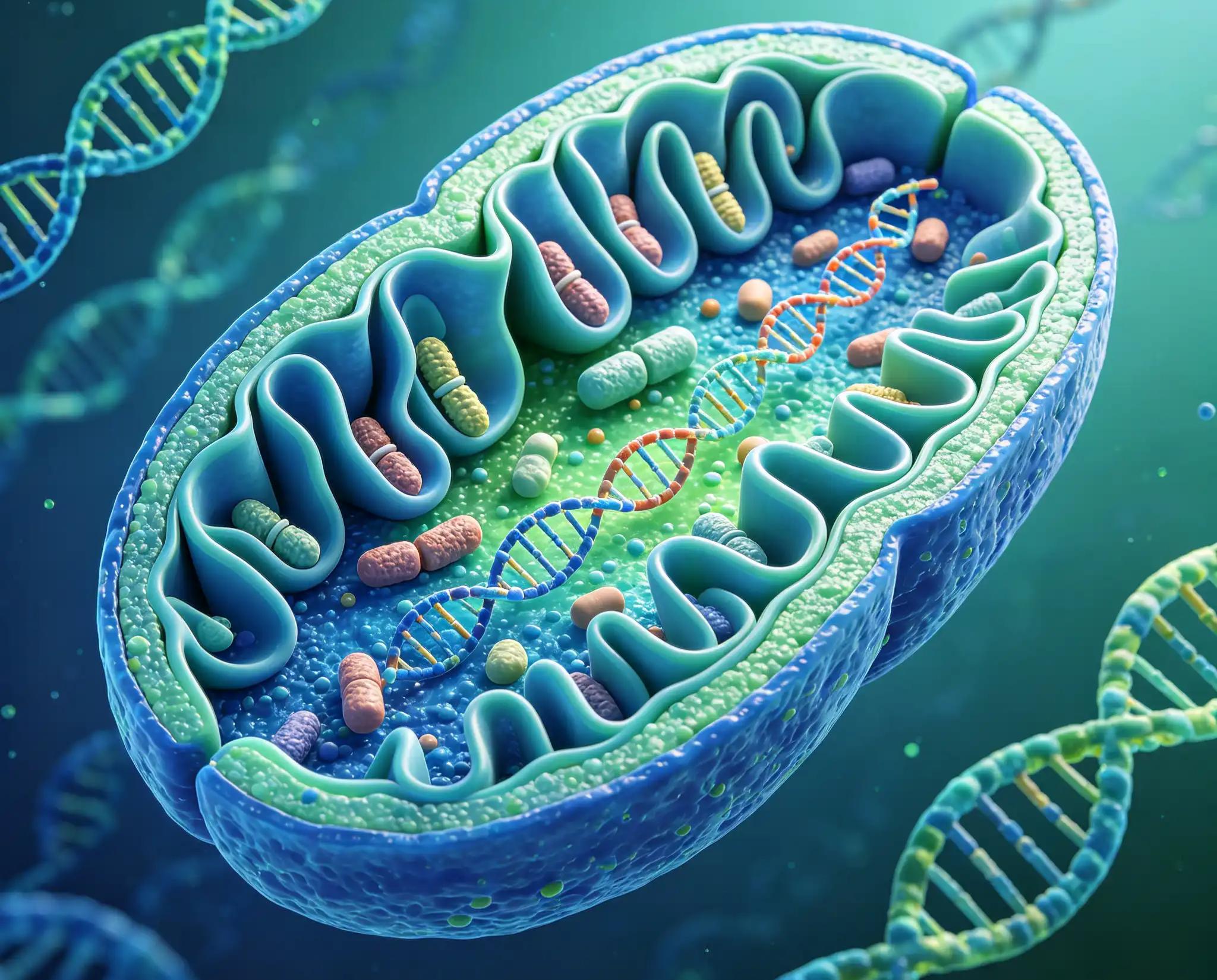
This study focuses on the Mitochondrial Marker Antibody Sampler Kit, which contains a variety of antibodies targeting classic mitochondrial proteins, including key mitochondrial proteins such as cytochrome c oxidase, cytochrome c, HSP60, prohibitin, pyruvate dehydrogenase complex, succinate dehydrogenase, SOD1, and voltage-dependent anion channel. These proteins are located in different substructures such as the inner mitochondrial membrane, intermembrane space, matrix, and outer membrane, and participate in core life activities including mitochondrial electron transport chain, tricarboxylic acid cycle, protein folding and stability, and metabolite transport. This paper systematically presents the product information of 8 rabbit monoclonal antibodies targeting the above mitochondrial proteins, as well as 2 matched secondary antibodies and internal reference antibodies, including catalog numbers, reactive species, and applicable experimental types.
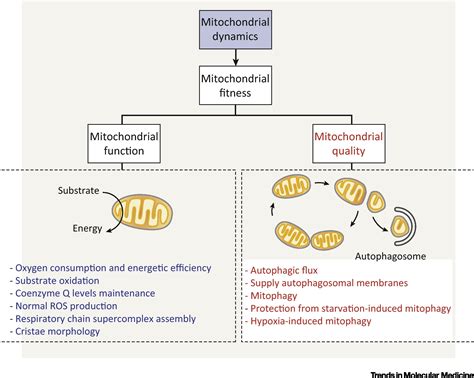
Mitochondrial dynamics, encompassing fission and fusion processes, plays a critical role in the regulation of mitochondrial morphology, metabolism, apoptosis, and autophagy. Protein import into mitochondria is primarily mediated by the translocase of the outer mitochondrial membrane (TOM) complex and the translocase of the inner membrane (TIM) complex, in which Tom20, a key component of the TOM complex, initiates the recognition of protein precursors. Mitochondrial dynamics are tightly governed by dynamin-related GTPases: DRP1 modulates mitochondrial fission, while mitofusin-1, mitofusin-2, and OPA1 control mitochondrial fusion. The activities of these core proteins are precisely regulated via post-translational modifications. OPA1 is regulated by alternative splicing and proteolytic processing, and its expression can be induced by metabolic stress. DRP1 activity is differentially modulated by phosphorylation at distinct sites, with Ser616 phosphorylation promoting fission and Ser637 phosphorylation inhibiting this process. Furthermore, mitochondrial fission factor (MFF) acts as a receptor for DRP1, and its phosphorylation by AMPK facilitates the recruitment of DRP1 to mitochondria. This review summarizes the molecular mechanisms underlying mitochondrial protein import and the regulatory network of mitochondrial dynamics.
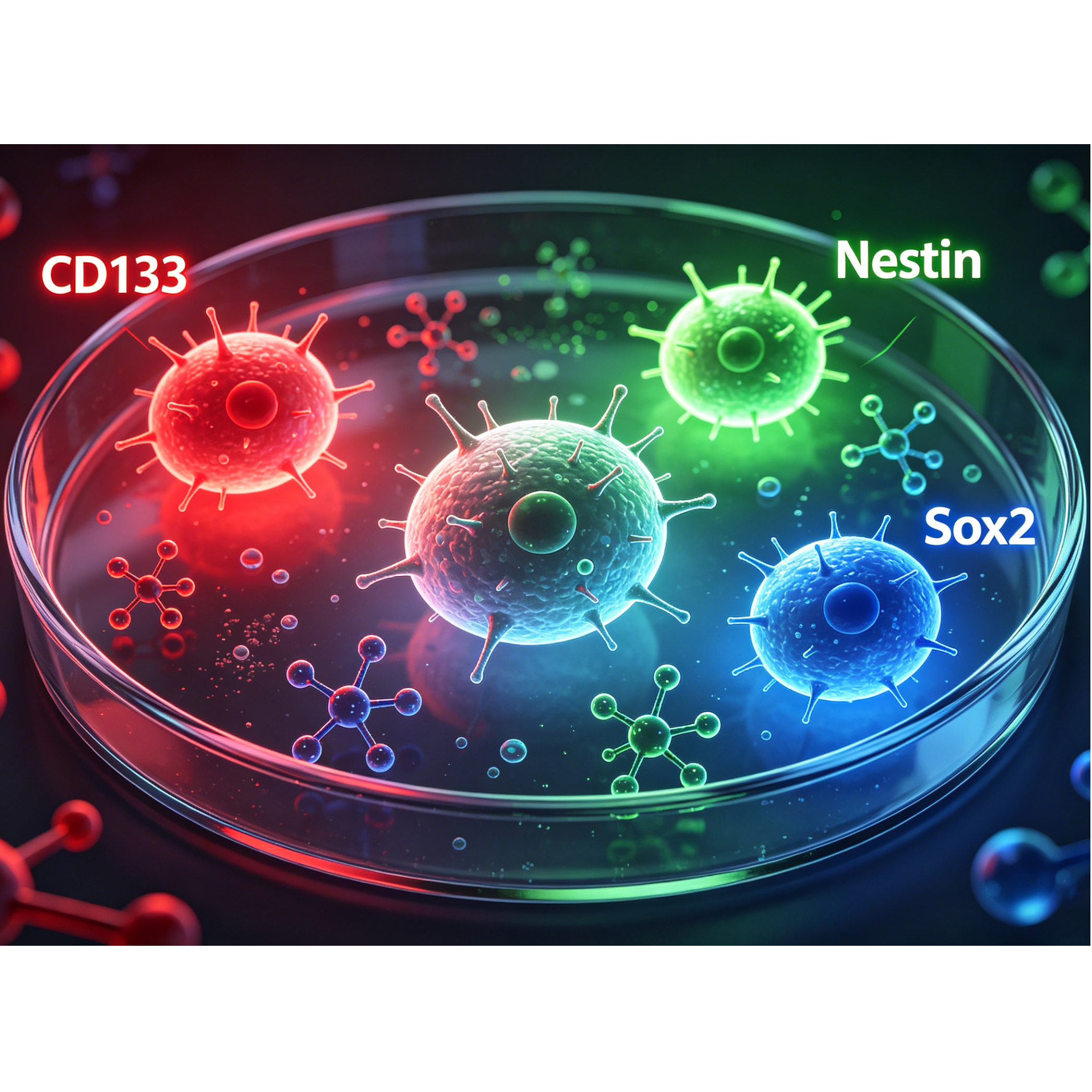
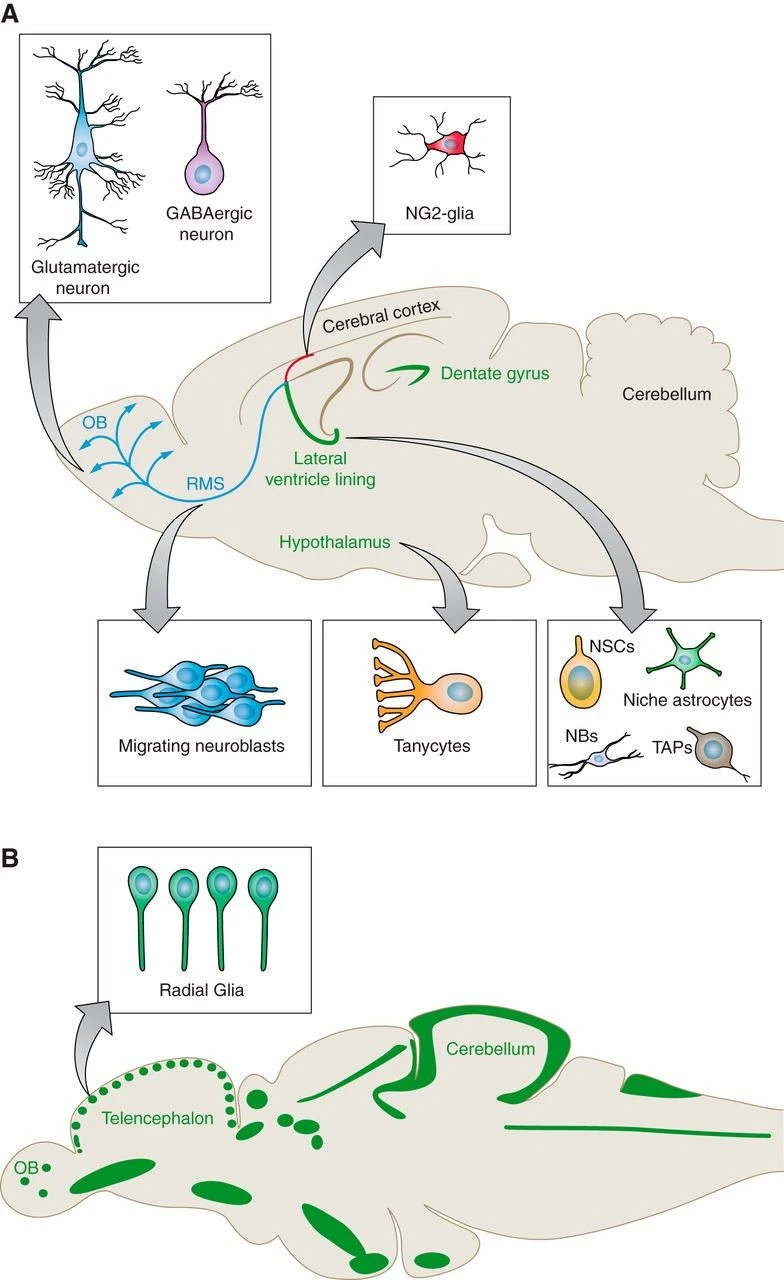
Glial progenitor cells (GPCs) are a class of neural precursor cells characterized by self-renewal capacity and multi-lineage differentiation potential, primarily giving rise to the three major glial cell types of the central nervous system (CNS): astrocytes, oligodendrocytes, and ependymal cells.
Our DNA is the treasure trove of genetic information, but it's actually quite "fragile." It can be damaged by ultraviolet rays, radiation, chemical substances, and even metabolic by-products within the cell. If DNA damage is not repaired in time, it can lead to abnormal cell function and even cancer.